Electric actuator valves are essential devices in modern industrial automation systems, enabling efficient and precise control of fluid or gas flow. These valves combine the functions of a traditional valve and an electric actuator, providing automated control that is critical in sectors like manufacturing, oil and gas, water treatment, and HVAC systems. In this article, we will explore the working principle, applications, advantages, and considerations when using electric actuator valves.
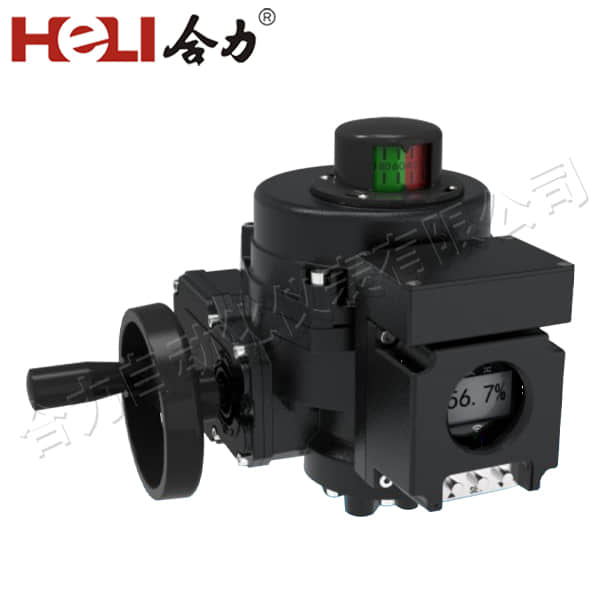
What Are Electric Actuator Valves?
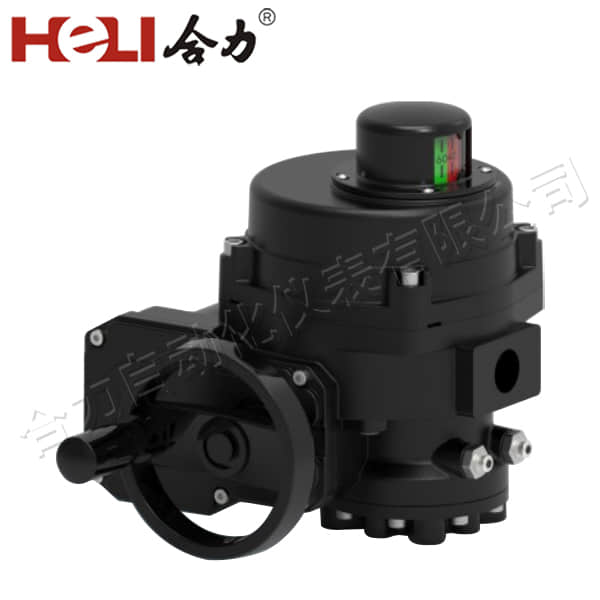
Electric actuator valves consist of two main components: the valve body, which regulates the flow of a substance (liquid or gas), and the electric actuator, which uses electric power to control the valve’s position. The actuator typically consists of an electric motor that drives a mechanical mechanism, such as a gear or screw, to open or close the valve. These valves are controlled via an electric signal, which makes them an integral part of automated systems, where they replace manual valve operation with precise, remote-controlled adjustments. Working Principle of Electric Actuator Valves
Leave a Reply