In modern industrial applications, the need for precise control and efficient management of fluids has never been more critical. One of the essential components in achieving this goal is the electric actuator for valves. These devices play a pivotal role in automating valve operations, ensuring that systems run smoothly and efficiently. This article explores the features, advantages, and applications of electric actuators in valve management, highlighting their importance in various industries.
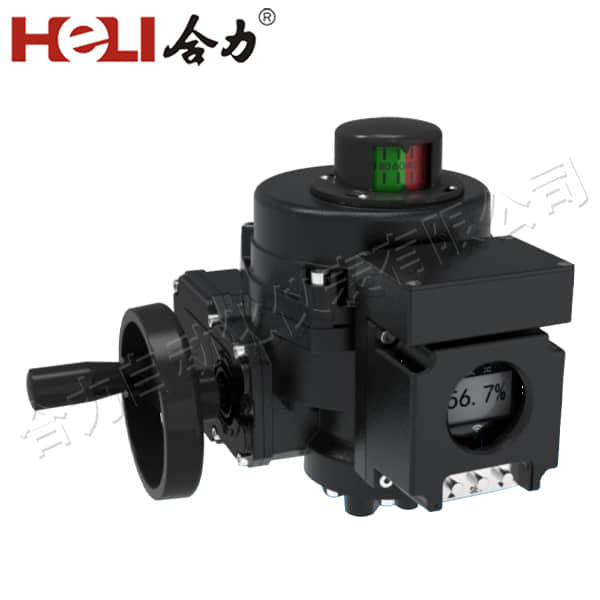
Understanding Electric Actuators
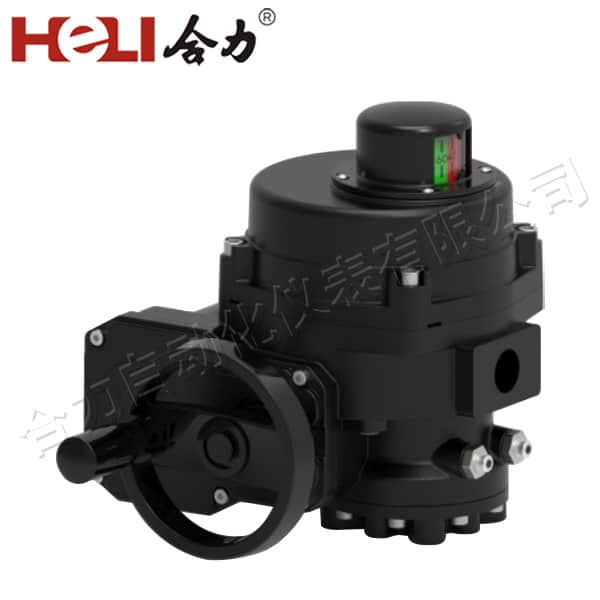
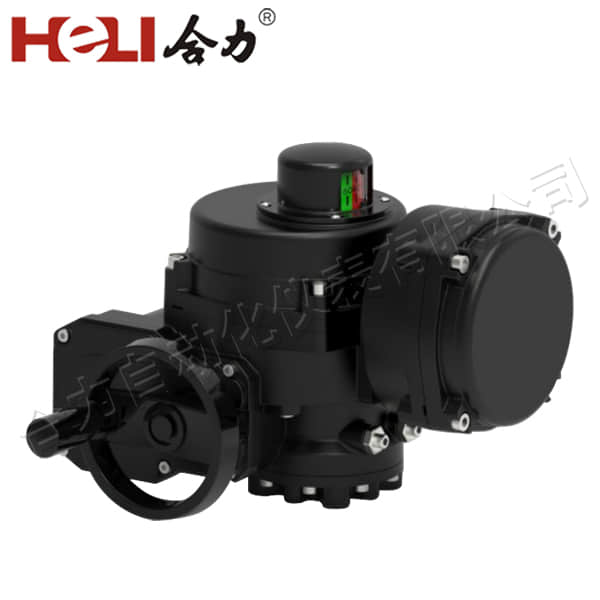
Electric actuators are devices that convert electrical energy into mechanical motion to control the position of a valve. They can be classified into two main types: linear and rotary actuators. Linear actuators provide straight-line motion, while rotary actuators are designed to turn the valve handle or disc. Both types can be used in various valve configurations, including globe, ball, butterfly, and gate valves. The operation of electric actuators involves a motor, which drives a mechanism that opens or closes the valve. This can be accomplished using different technologies, such as stepper motors, servo motors, or DC motors, depending on the required precision and speed of operation. Advanced electric actuators are often equipped with feedback systems that provide real-time data on valve position, ensuring accurate control.
Leave a Reply