Electric actuators for valves have become a critical component in modern industrial automation systems. They provide an efficient, reliable, and precise means of controlling the flow of fluids and gases in a variety of applications, ranging from manufacturing processes to HVAC systems. This article explores the function, advantages, and applications of electric actuators in valve control, highlighting their importance in enhancing system performance and operational efficiency.
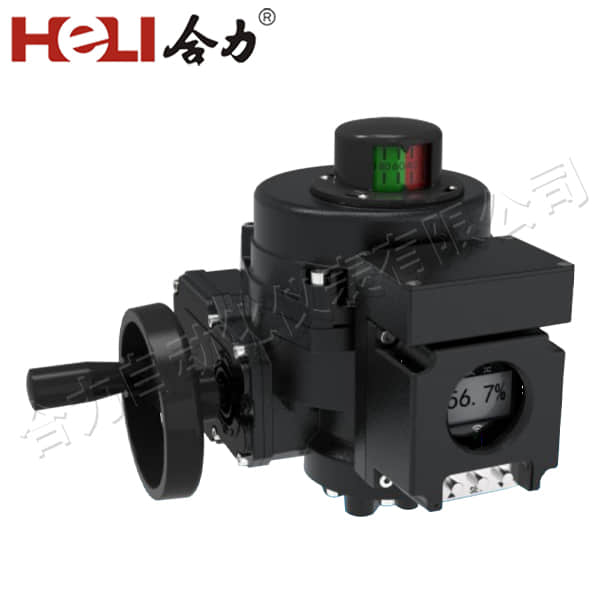
What is an Electric Actuator for Valves?
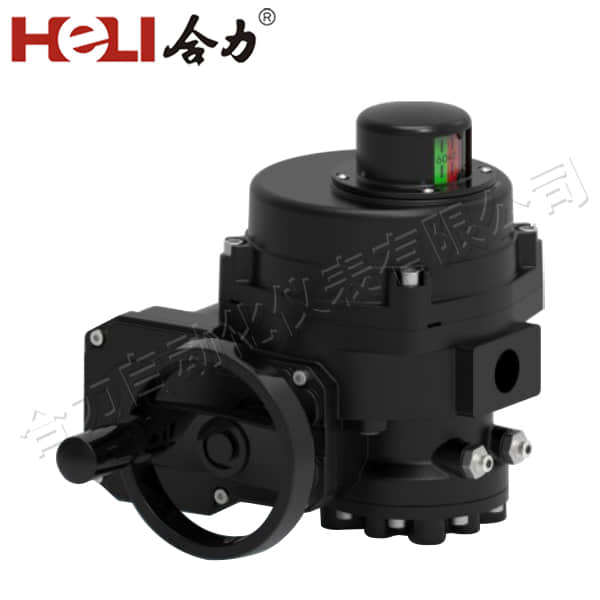
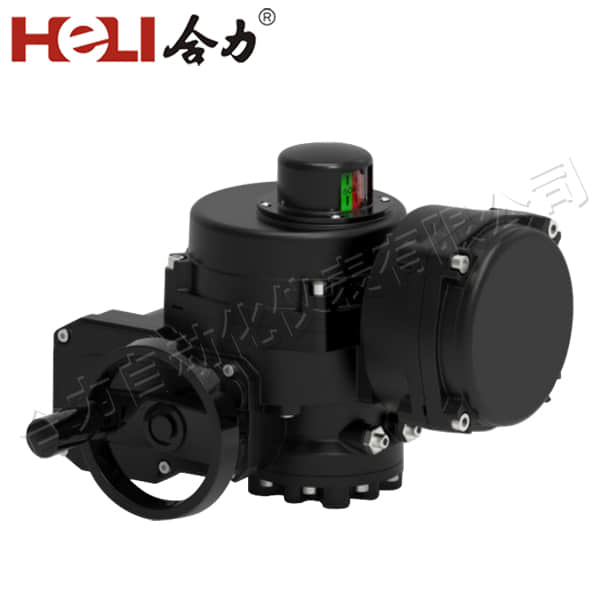
An electric actuator for valves is an electromechanical device that uses electric power to operate a valve, regulating the flow of a medium through a pipeline or system. The actuator converts electrical energy into mechanical motion, which, in turn, moves the valve to open, close, or adjust to a desired position. This type of actuator is commonly used in industrial applications where precise control of fluid flow is essential. Electric actuators typically consist of a motor, a gearbox, and a control unit. The motor generates rotational force, while the gearbox amplifies the torque to drive the valve mechanism. The control unit, often integrated with a sensor or feedback system, ensures that the valve achieves the correct position according to the operational needs.
Leave a Reply