Electric actuator valves are integral components in many industrial systems, offering reliable and efficient control for fluid flow regulation. These valves combine mechanical engineering with electronic control systems, providing precise and automated operation. In industries ranging from oil and gas to water treatment, electric actuator valves play a crucial role in optimizing processes, ensuring safety, and reducing the need for manual intervention. This article explores the essential features, advantages, and applications of electric actuator valves.
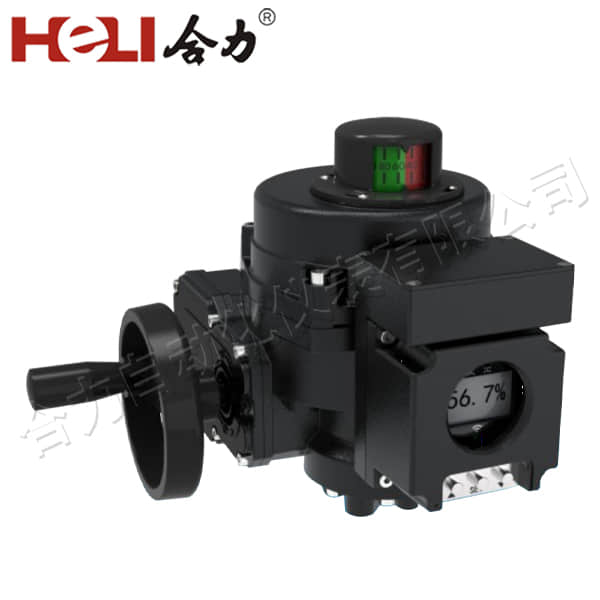
What are Electric Actuator Valves?
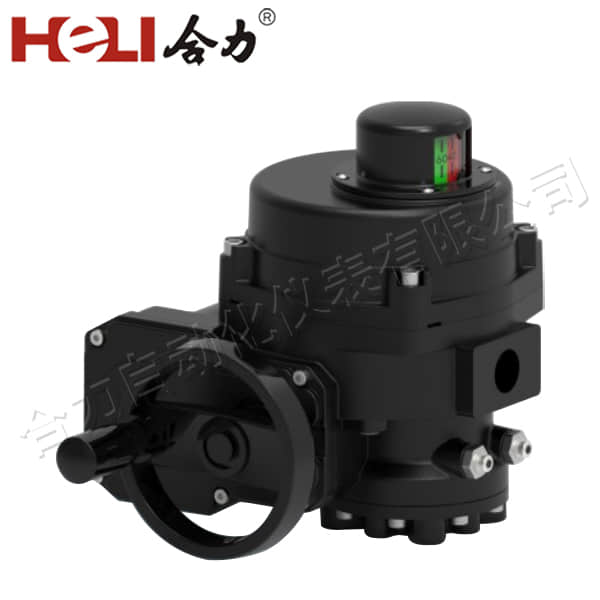
Electric actuator valves consist of two primary components: the valve itself and an electric actuator. The valve controls the flow of liquids, gases, or steam in a pipeline, while the electric actuator uses electric power to drive the valve open or closed. The actuator receives signals from a control system, typically a programmable logic controller (PLC) or remote terminal unit (RTU), which directs the valve to adjust based on the desired parameters. The actuator mechanism is typically based on an electric motor that rotates a shaft, which then operates the valve. Depending on the application, this mechanism can control valves like ball valves, gate valves, butterfly valves, and globe valves. The actuator can be designed for different levels of torque, speed, and travel distance, making them versatile for various fluid control needs.
Leave a Reply