Electric actuators have become an essential component in the operation of various systems within industrial automation, with their application spanning across industries such as oil and gas, water treatment, chemical processing, and power generation. When paired with valves, electric actuators offer a reliable and efficient solution for controlling the flow of fluids and gases. The integration of electric actuators into valve systems has dramatically improved performance, safety, and operational efficiency in a wide range of processes.
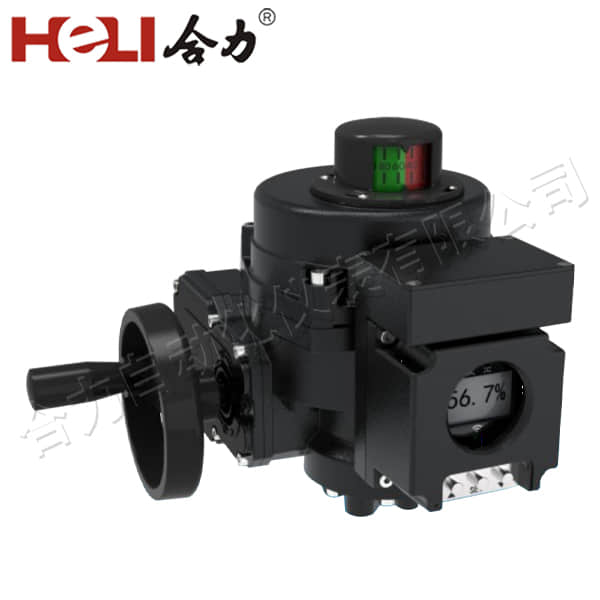
What is an Electric Actuator for Valves?
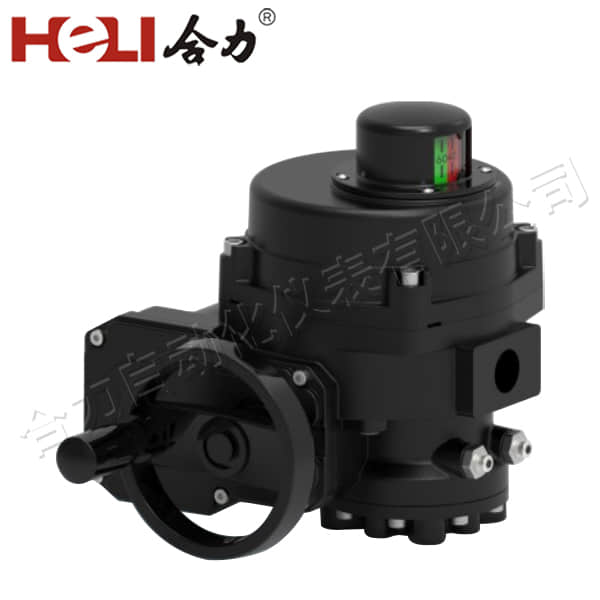
An electric actuator for valves is a device that uses electrical energy to produce mechanical movement, which, in turn, operates a valve. These actuators are commonly used in automated systems to regulate the flow of liquids or gases through pipes by opening, closing, or modulating a valve. Electric actuators are favored for their precision, ease of control, and ability to provide consistent torque over long periods of time. The basic mechanism involves an electric motor driving the actuator, which is connected to the valve stem. The motor turns the stem, which operates the valve’s opening and closing mechanism. Depending on the type of valve, the actuator can control the position in a simple binary manner (fully open or closed) or provide continuous regulation for more sophisticated processes that require finer adjustments.
Leave a Reply