Electric actuator valves are essential components in many industrial applications, serving as the primary mechanism for controlling the flow of liquids and gases. These devices combine the precision of electric motors with the functionality of valves, allowing for automated and reliable control in various systems. As industries around the world continue to embrace automation and improve operational efficiency, electric actuator valves are playing an increasingly pivotal role. In this article, we will explore what electric actuator valves are, their working principles, their various applications, and the benefits they offer to different industries.
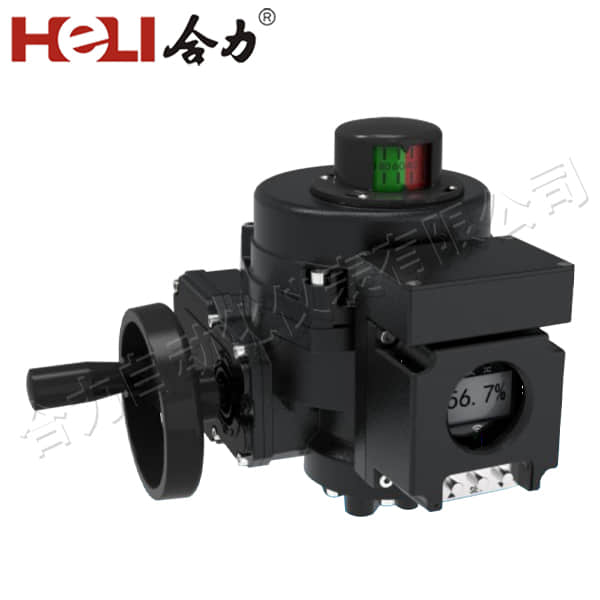
What are Electric Actuator Valves?
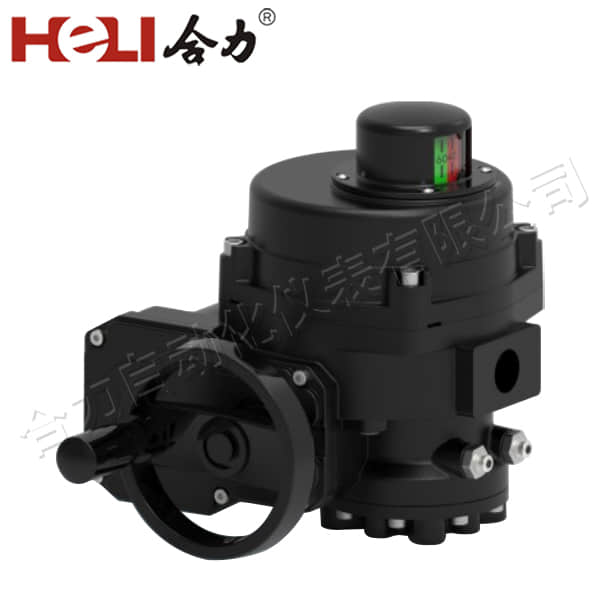
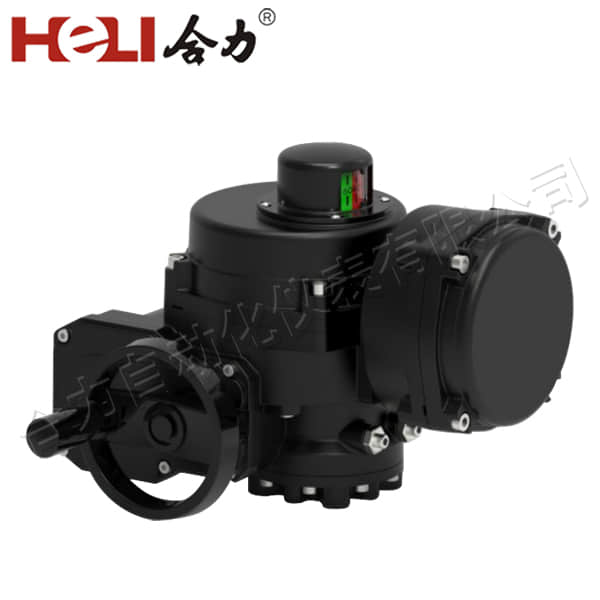
An electric actuator valve consists of a valve and an electric actuator, which is a motor-driven device that controls the opening and closing of the valve. The electric actuator receives signals from a control system, typically a PLC (Programmable Logic Controller) or DCS (Distributed Control System), and converts these signals into mechanical movement. The movement actuates the valve, either opening it to allow the flow of fluid or gas, or closing it to stop the flow. Electric actuators are preferred in many systems because of their ease of control, precise positioning, and ability to handle a wide range of valve types, such as ball, gate, globe, or butterfly valves. These actuators are powered by electricity, making them more convenient for automated processes than traditional pneumatic or hydraulic actuators, which require air or hydraulic pressure.
Leave a Reply