In today’s rapidly evolving technological landscape, ensuring safety and environmental sustainability has become more important than ever. Electrical components, such as relays, are integral parts of various systems, ranging from industrial machinery to consumer electronics. Among the many certifications and standards that guide the manufacturing of these components, the CE and RoHS certifications stand out. This article explores the significance of CE and RoHS certifications for relays, their roles in ensuring compliance, and the benefits they provide to manufacturers and consumers alike.
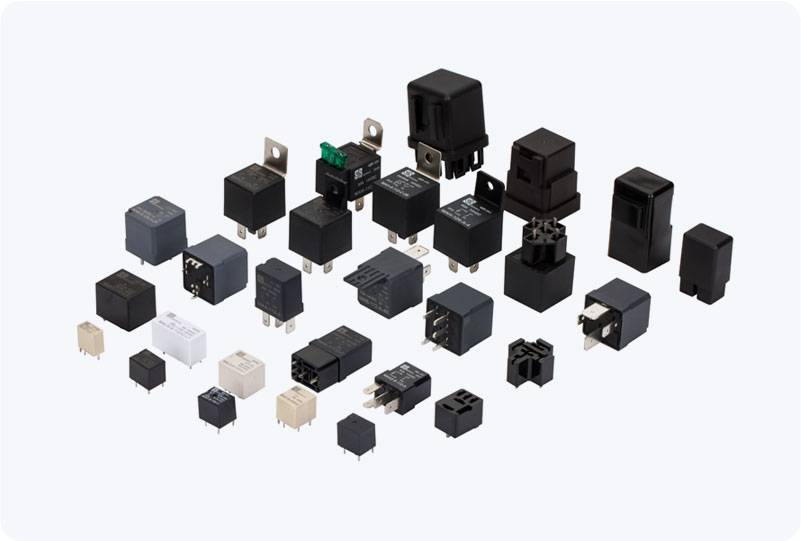
What is a CE Certified Relay? The CE marking, which stands for “Conformité Européenne” (European Conformity), indicates that a product complies with the safety, health, and environmental protection standards required by the European Union (EU). When a relay is CE certified, it means that the product has been tested and meets these strict EU regulations, ensuring that it is safe for use in various applications across Europe. CE certification applies to a wide range of electrical and electronic devices, including relays, which play a crucial role in controlling the flow of electrical power in circuits. A CE certified relay guarantees that it has undergone testing for electrical safety, electromagnetic compatibility (EMC), and other essential criteria. This certification is mandatory for products that are sold within the European Economic Area (EEA), ensuring that they do not pose risks to human health or the environment.
Leave a Reply