A 12V 30A relay is a versatile electronic component that plays an essential role in electrical circuits, providing an efficient method for controlling high-power devices with a low-power control signal. This type of relay is commonly used in a wide range of applications, from automotive systems to industrial machinery, making it a critical component in various electronic and electrical projects. In this article, we will explore the key features, working principle, applications, and benefits of the 12V 30A relay.
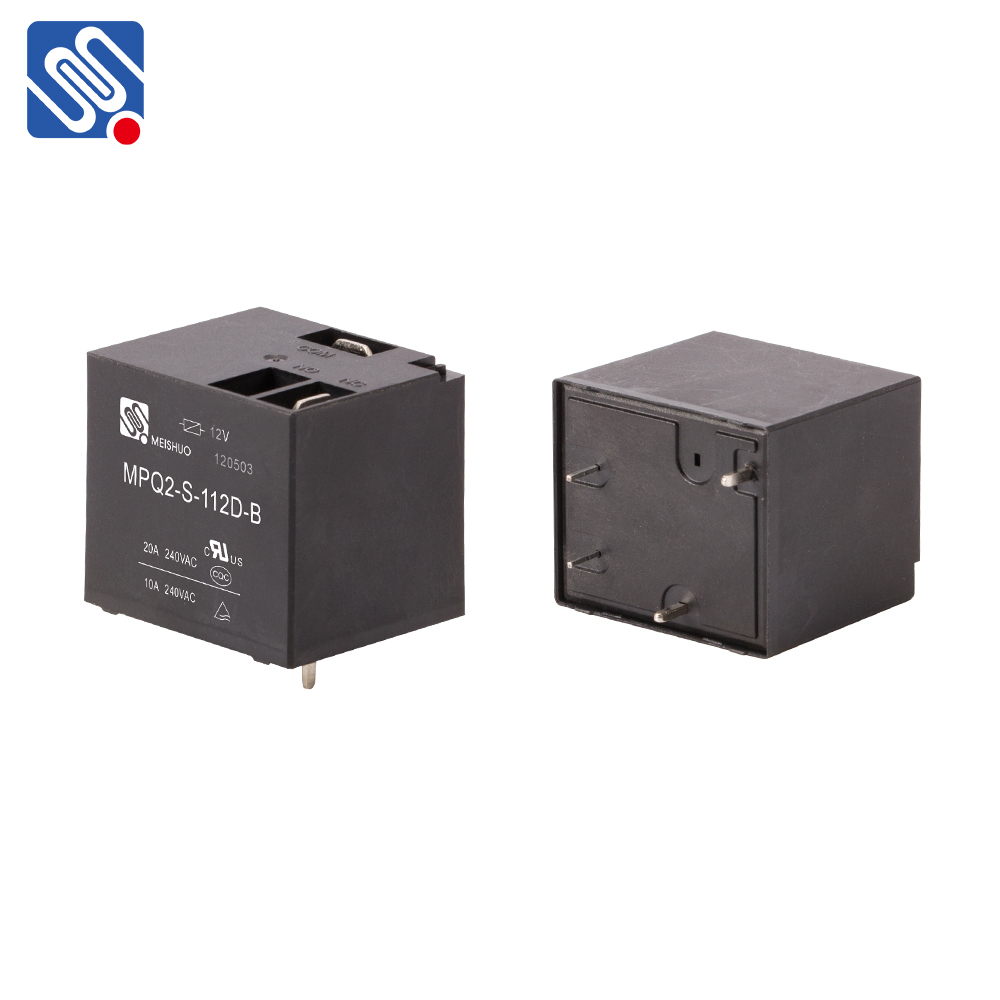
What is a 12V 30A Relay? A relay is an electrically operated switch that allows a low-power signal to control the switching of a higher power circuit. The “12V” in the name refers to the operating voltage of the coil within the relay, which typically requires 12 volts to activate it. The “30A” indicates the maximum current rating of the relay’s contacts, which means the relay can handle up to 30 amperes of current flowing through the connected circuit. This makes it ideal for controlling high-current loads like motors, lights, and other heavy-duty devices. How Does a 12V 30A Relay Work?
Leave a Reply