Electric actuator valves are integral components in many industrial systems, providing reliable control of fluid or gas flow. These devices are increasingly used in various industries, from water treatment to oil and gas, due to their efficiency and precision. In this article, we will explore the fundamentals of electric actuator valves, their benefits, key components, and common applications.
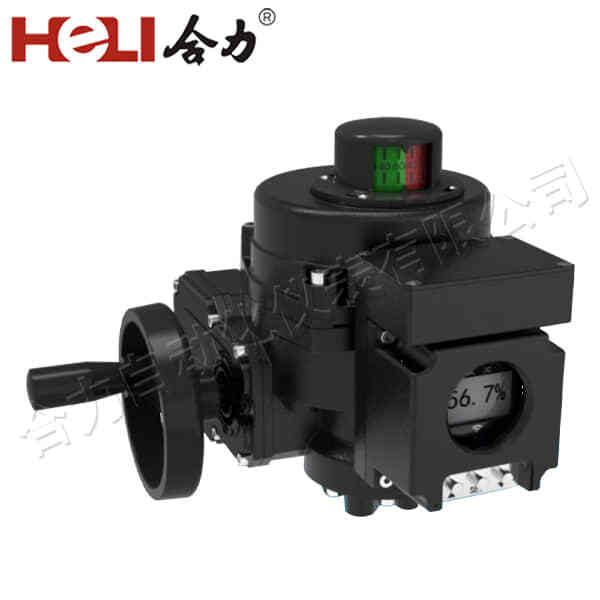
What is an Electric Actuator Valve?
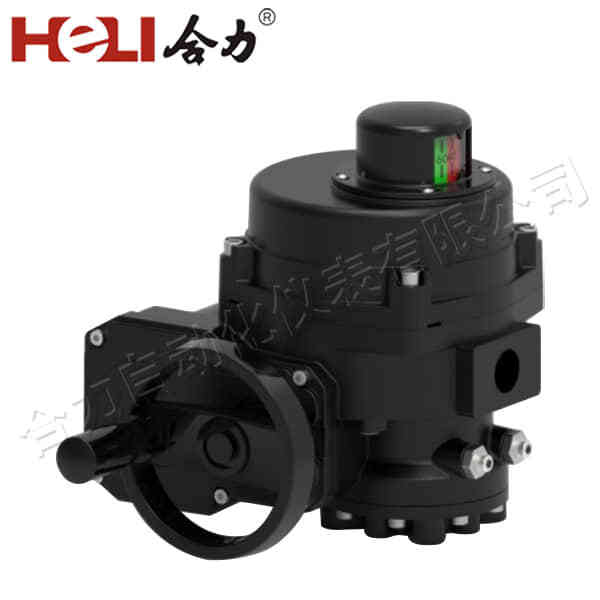
An electric actuator valve is a valve mechanism that uses an electric motor to control the movement of the valve. The actuator, powered by electricity, translates electrical signals into mechanical action, allowing the valve to open, close, or modulate flow. These actuators are typically connected to a control system that sends commands, enabling automated valve operation in various processes. The primary function of an electric actuator valve is to control the flow of liquids, gases, or slurries in a pipeline. The actuator operates the valve’s stem, which either opens or closes the valve or adjusts it to regulate the flow rate. Electric actuator valves are ideal for applications where precise and automated control of flow is essential, and they offer significant advantages over manual valve operation.
Leave a Reply