Thermosetting Compression Moulding, a method of shaping and solidifying thermosetting plastics, has long been a pivotal technique in the plastics manufacturing industry. It involves the transformation of solid plastic materials into desired shapes and forms under the influence of heat and pressure. This article delves into the intricacies of this process, exploring its principles, applications, and the role it plays in various industries.
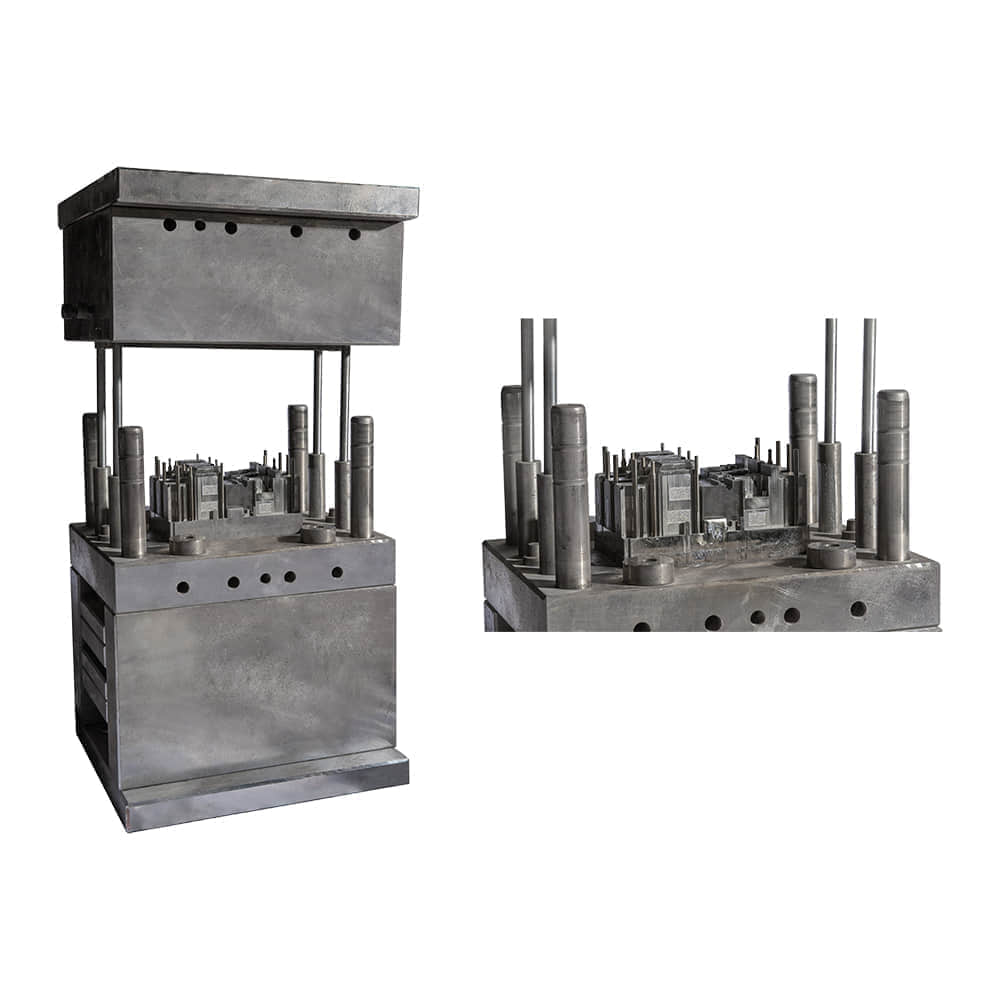
The core of the Thermosetting Compression Moulding process lies in the unique properties of thermosetting plastics. Unlike thermoplastics, which can be repeatedly softened and reshaped through heating, thermosetting plastics undergo irreversible chemical changes during the moulding process. Once heated and pressed, they solidify into a permanent shape, exhibiting excellent mechanical and electrical properties.
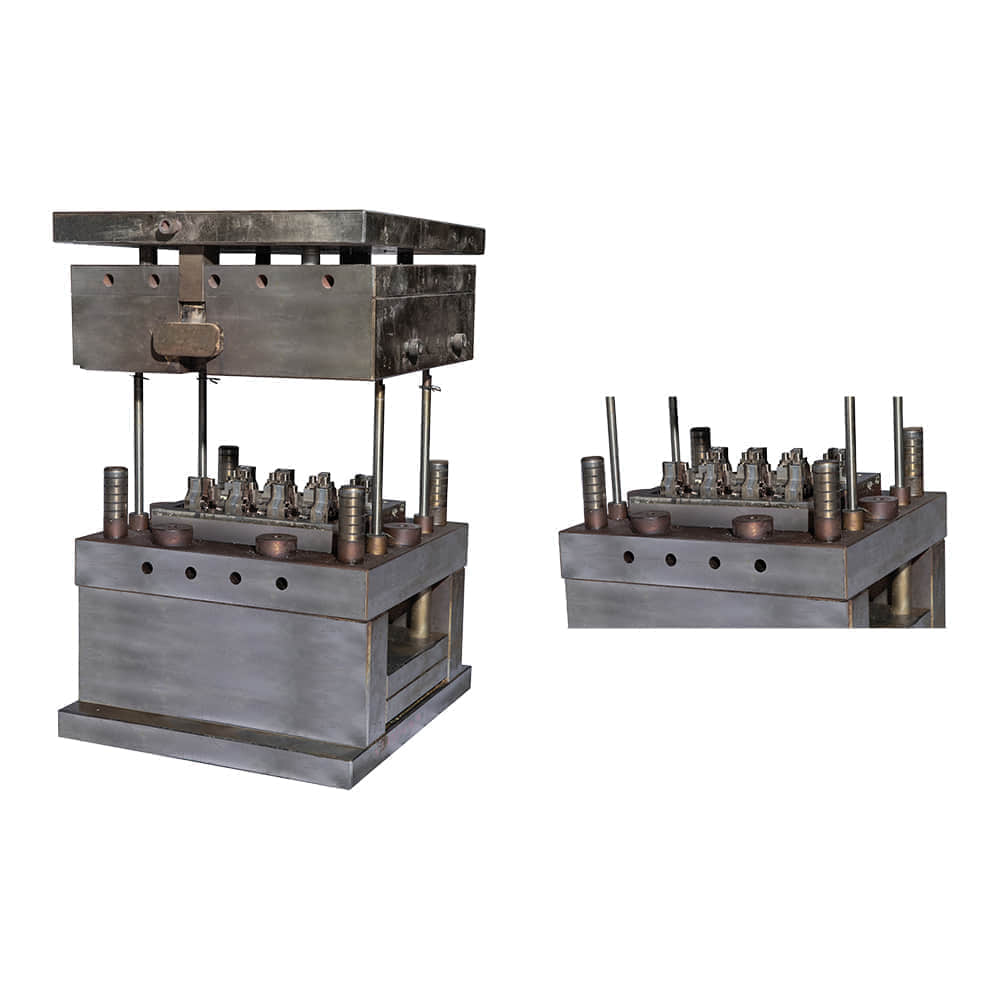
The process begins with the preparation of the mould, which is designed to impart the desired shape to the plastic material. The mould is then preheated to a temperature suitable for melting the plastic without causing it to decompose. The plastic material, often in the form of pellets or powders, is then placed into the mould cavity. As the mould is closed, the plastic material is compressed and heated, causing it to melt and flow into the intricate details of the mould. The application of pressure ensures that the plastic fills every corner and crevice, resulting in a precisely shaped product.
Leave a Reply