Electric actuator valves are integral components in a wide range of industrial processes, used for regulating fluid flow, temperature, and pressure within pipelines. These valves are designed to be operated automatically by an electric actuator, which converts electrical energy into mechanical motion, enabling precise control over the valve’s position. In this article, we’ll explore the functionality, applications, advantages, and considerations of using electric actuator valves in various industries.
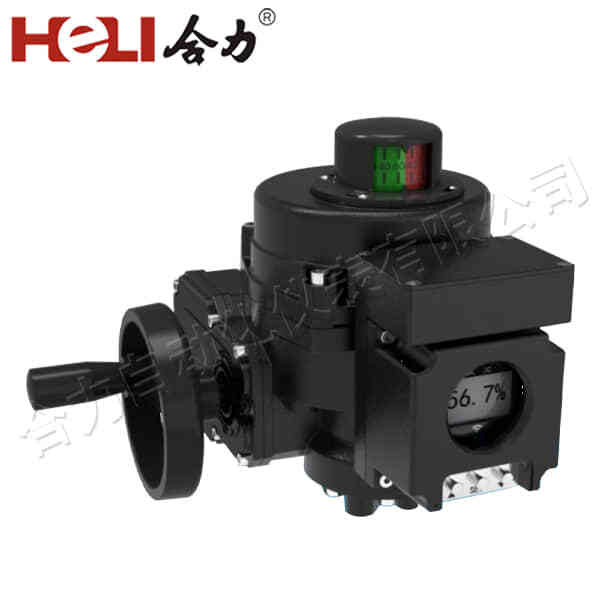
What is an Electric Actuator Valve?
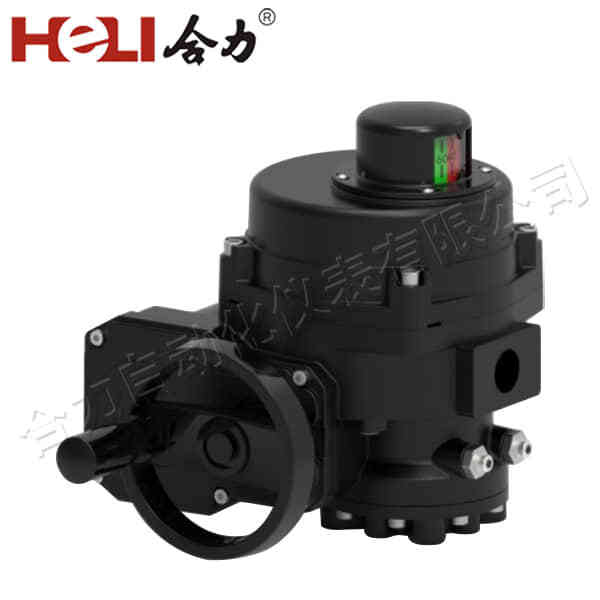
An electric actuator valve consists of two primary components: the valve itself and the electric actuator. The valve controls the flow of liquids, gases, or other materials in a system, while the electric actuator is responsible for moving the valve’s internal mechanism. Typically, the actuator is powered by electricity, which allows for smooth and automated operation. Electric actuators are commonly powered by motors that rotate a shaft to open or close the valve. The actuator’s position is controlled using electrical signals, such as on/off signals or proportional control signals, which provide accurate, repeatable valve movement. This precision makes electric actuator valves ideal for processes where accurate control is essential.
Leave a Reply