Relay assembly is a critical process in the manufacturing of electrical components that are widely used in a variety of applications, from automotive to industrial control systems. Relays are electromagnetic switches that help control the flow of electrical current by opening or closing contacts in a circuit. The assembly of relays requires precision, as it involves several steps to ensure the relay functions optimally, is durable, and meets safety standards. This article will provide an overview of relay assembly techniques, focusing on key steps, best practices, and tips for efficient and high-quality production.
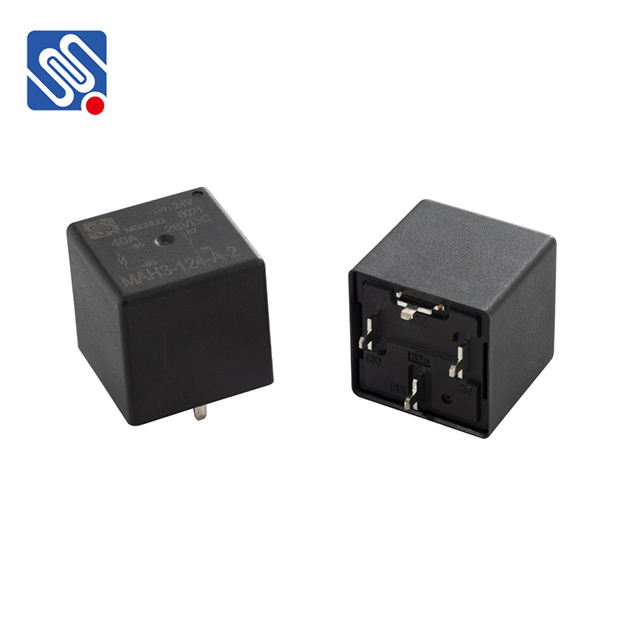
1. Understanding the Components Before diving into the assembly process, it is essential to understand the main components of a relay. These include: Electromagnet: This is the core component that creates the magnetic field necessary to close or open the contacts. Armature: The movable part that is influenced by the electromagnet to shift between open and closed states. Contacts: These are the electrical connections that either close or open when the armature moves. Spring: The return spring ensures that the armature returns to its original position when the electromagnet is de-energized.
Leave a Reply