Electric actuators for valves are integral components in modern industrial systems, offering a range of advantages such as precision control, reduced maintenance, and energy efficiency. These devices, which are powered by electricity, are designed to automate the movement of valves, enabling systems to operate more efficiently and effectively. In this article, we will explore the key benefits, working principles, applications, and considerations when choosing electric actuators for valves.
Understanding Electric Actuators for Valves
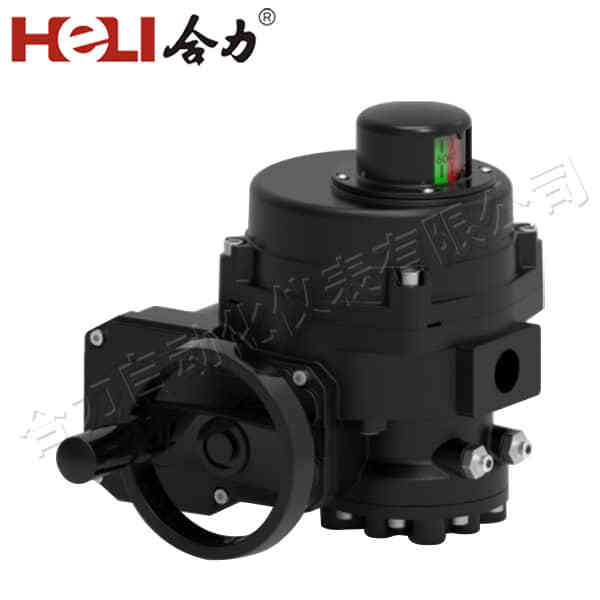
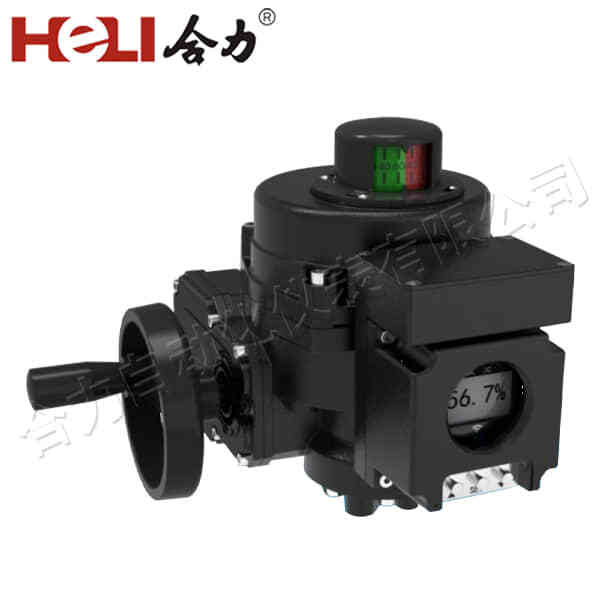
An electric actuator for valves is a device that uses an electric motor to convert electrical energy into mechanical movement. This movement, in turn, operates a valve, controlling the flow of liquids, gases, or slurries within a system. These actuators are commonly used in a variety of industries, including oil and gas, water treatment, chemical processing, and HVAC (Heating, Ventilation, and Air Conditioning). Electric actuators are typically equipped with a motor, gear mechanism, and feedback system. The motor powers the actuator to open or close the valve, while the feedback system ensures accurate positioning and control. The actuator can be integrated with control systems, allowing for remote operation and real-time monitoring of the valve’s position and performance.
Leave a Reply