In the modern era of heating, ventilating, and air conditioning (HVAC) systems, the damper actuator plays a crucial role. This device, often referred to as the “brain” of the HVAC system, ensures precise and efficient control of airflow within buildings. Let’s delve into the workings, benefits, and applications of the damper actuator.
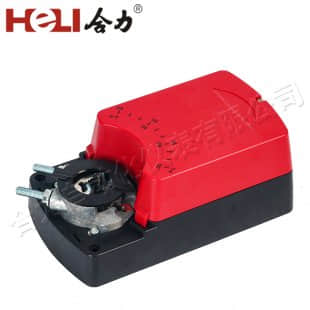
What is a Damper Actuator?
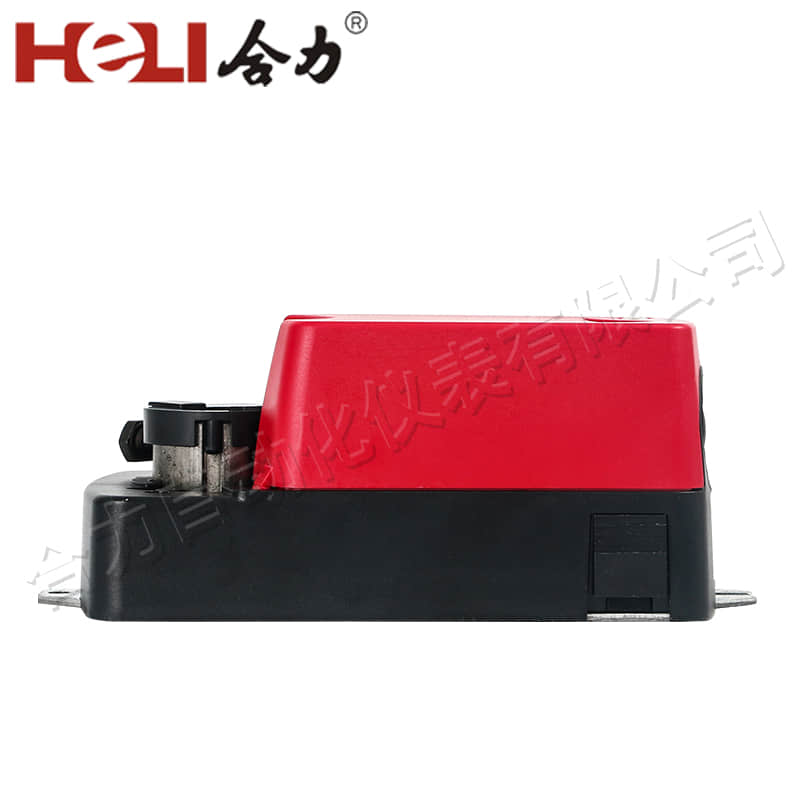
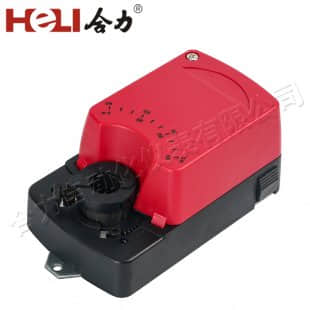
A damper actuator is a device that controls the position of dampers in an HVAC system. Dampers are the mechanical devices that regulate the flow of air through ducts and vents. The actuator, powered by electricity or pneumatics, is responsible for opening, closing, or partially opening these dampers to adjust airflow as needed. Working Principles of a Damper Actuator Damper actuators typically consist of a motor, transmission mechanism, and a control system. The motor, either electric or pneumatic, provides the necessary torque to move the damper. The transmission mechanism converts the motor’s rotary motion into linear motion, allowing the damper to open and close smoothly. The control system, often integrated with a building’s automation system, receives signals from sensors and other devices to adjust the damper position accordingly.
Leave a Reply