Electric actuators for valves are integral components in various industrial systems, providing reliable, precise, and energy-efficient solutions for controlling the flow of fluids and gases. These actuators, powered by electricity rather than pneumatic or hydraulic forces, have become essential in a broad range of applications, from manufacturing and water treatment to oil and gas production. This article explores the advantages of electric actuators for valves, their operational principles, types, and their increasing significance in contemporary automation systems.
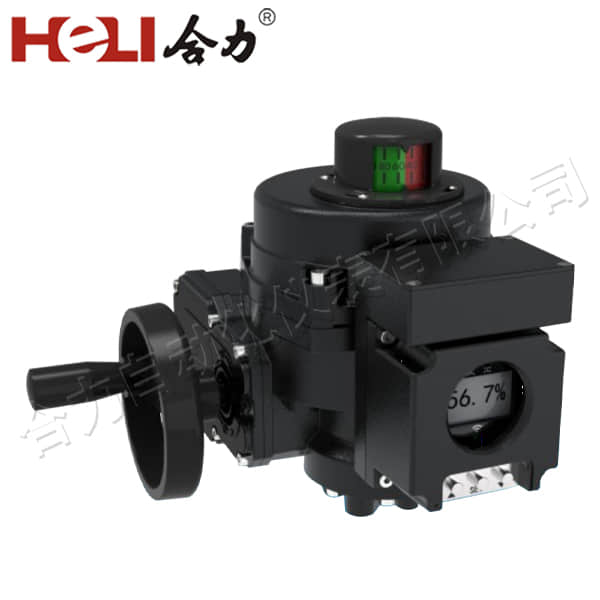
What is an Electric Actuator for Valves?
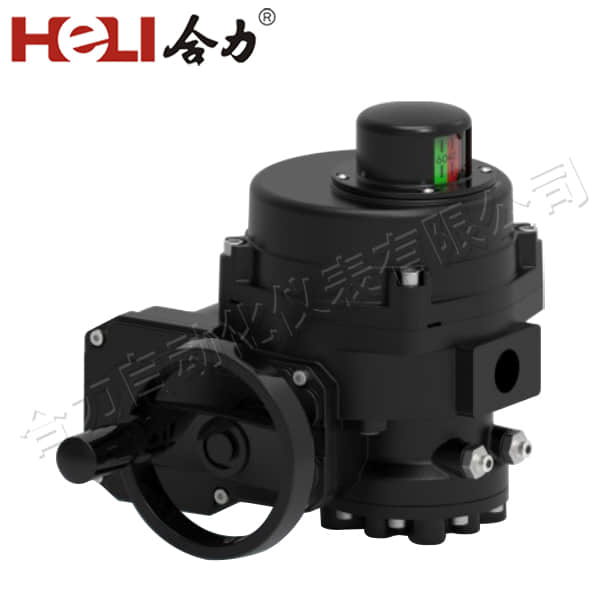
An electric actuator for valves is a device that uses electrical power to operate a valve mechanism. The actuator drives the valve to open, close, or modulate its position, regulating the flow of liquids or gases through pipelines. Electric actuators convert electrical energy into mechanical movement, typically using motors, gears, and feedback systems to control the valve’s position accurately. Electric actuators are versatile and can be employed in numerous settings, including water and wastewater treatment plants, heating, ventilation, and air conditioning (HVAC) systems, and chemical processing plants. Their ability to deliver precise, automated control makes them an ideal choice for industries seeking to enhance operational efficiency.
Leave a Reply