In today’s rapidly advancing industrial landscape, the need for precision, efficiency, and automation is paramount. One of the key components that facilitate these objectives is the electric actuator for valves. Electric actuators are transforming the way industries handle fluid and gas control systems, ensuring not only improved safety but also enhanced operational performance. This article explores the importance, working principles, benefits, and applications of electric actuators in valve systems, emphasizing their role in modernizing control technologies across various industries.
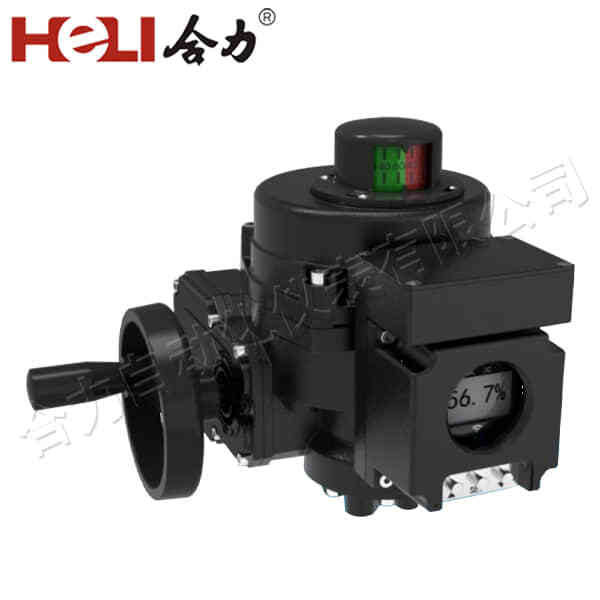
What Is an Electric Actuator for Valves?
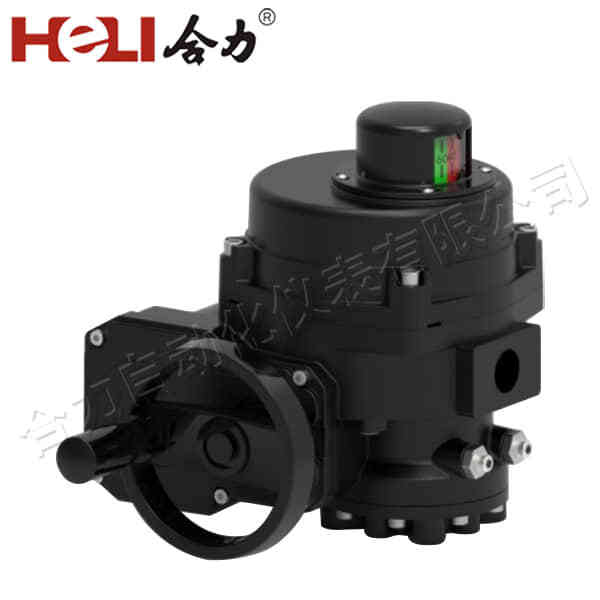
An electric actuator for valves is an electrically powered device that provides the necessary force to operate a valve mechanism. It converts electrical energy into mechanical motion to adjust the position of the valve, whether it is fully open, closed, or anywhere in between. Unlike pneumatic or hydraulic actuators that rely on air or fluid pressure, electric actuators utilize motors to generate torque, which moves the valve stem and opens or closes the valve. These actuators come in various forms, including rotary and linear actuators, depending on the type of valve they are designed to control. Rotary actuators are commonly used for ball, butterfly, and globe valves, whereas linear actuators are typically employed for gate, globe, or other linear-motion valves.
Leave a Reply