Electric actuators for valves are increasingly being adopted in various industrial sectors due to their reliability, energy efficiency, and precise control capabilities. These devices play a vital role in automating processes in industries such as oil and gas, water treatment, chemical processing, and power generation. In this article, we will explore the working principles, benefits, and applications of electric actuators for valves, highlighting their significance in modern automation systems.
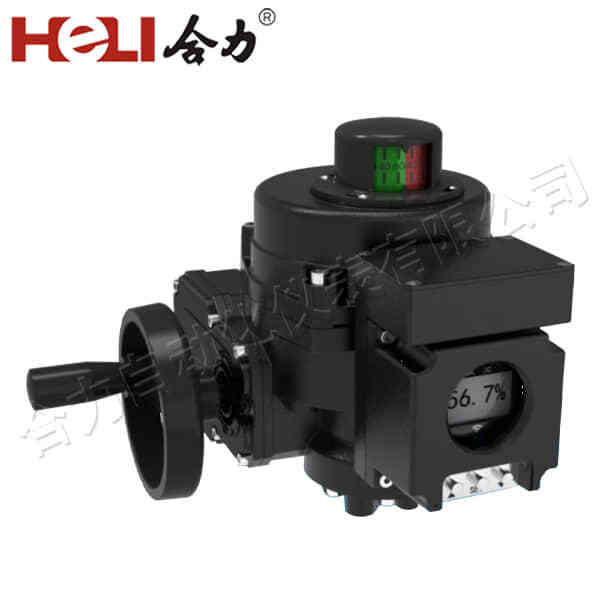
What is an Electric Actuator for Valves?
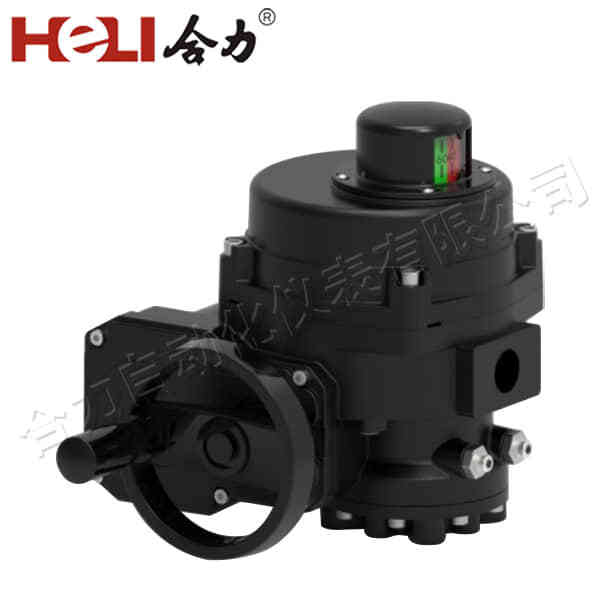
An electric actuator for valves is a mechanical device that uses electrical energy to move and control the position of a valve. This movement typically involves rotating or linear motion to open, close, or adjust the flow of materials in pipelines or tanks. Electric actuators are often used in combination with various types of valves, including ball valves, butterfly valves, gate valves, and globe valves. They are preferred for their ability to offer precise and repeatable movements, which are essential in many automated control systems. How Do Electric Actuators Work? Electric actuators use electric motors to drive the movement of a valve. These actuators can be powered by AC (alternating current) or DC (direct current) electricity, depending on the specific requirements of the application. The actuator consists of several key components: the electric motor, gear train, position sensor, and control circuitry.
Leave a Reply