Electric actuator valves play a pivotal role in the modern automation systems used across various industries. From manufacturing plants to energy sectors, the need for precise and reliable control of fluids or gases is more critical than ever. Electric actuators paired with valves have emerged as a powerful solution, offering enhanced efficiency, safety, and control. In this article, we will explore what electric actuator valves are, their benefits, and their applications, while also examining their growing importance in industrial automation.
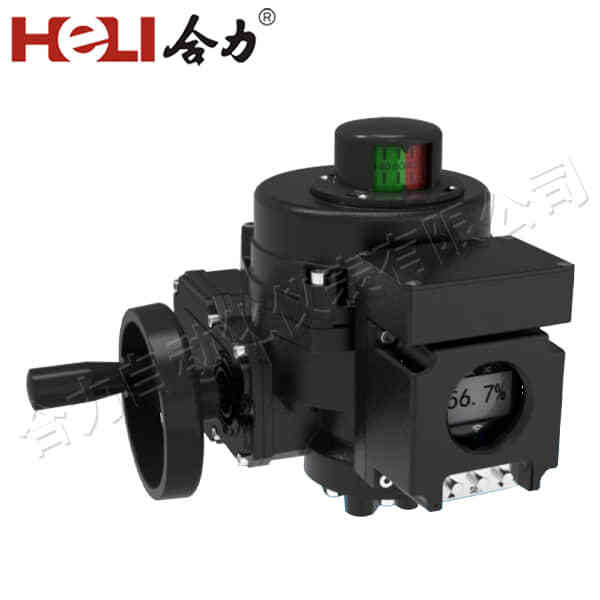
What Are Electric Actuator Valves?
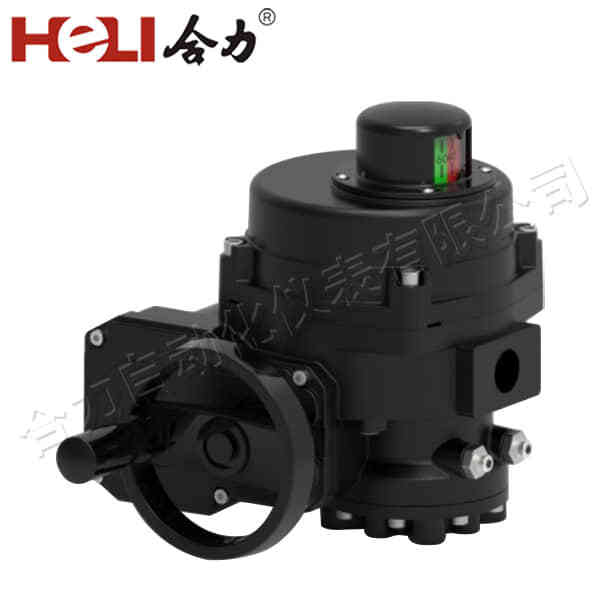
At the core, an electric actuator valve is a device that integrates an electric actuator with a valve mechanism. The actuator is responsible for moving the valve to a desired position, which could be fully open, closed, or any intermediate position based on the process requirements. Electric actuators convert electrical energy into mechanical motion, allowing for remote or automated control of the valve’s position. These systems are often favored for their precision and ease of integration into larger control systems. There are different types of electric actuators, including rotary and linear actuators. Rotary actuators rotate the valve stem, typically found in ball, butterfly, and globe valves, whereas linear actuators move the valve stem vertically, as seen in gate and globe valves. The choice of actuator depends on the type of valve and the specific application requirements.
Leave a Reply