Explosion-proof pneumatic actuators are critical components in industries where safety, reliability, and efficiency are paramount. These devices are designed to operate in environments with explosive gases, vapors, dust, or other hazardous materials. They are often used in sectors such as oil and gas, chemicals, mining, and pharmaceuticals, where the risk of ignition or explosion is high. This article explores the importance, functionality, and advantages of explosion-proof pneumatic actuators in hazardous environments, and how they contribute to both operational safety and productivity.
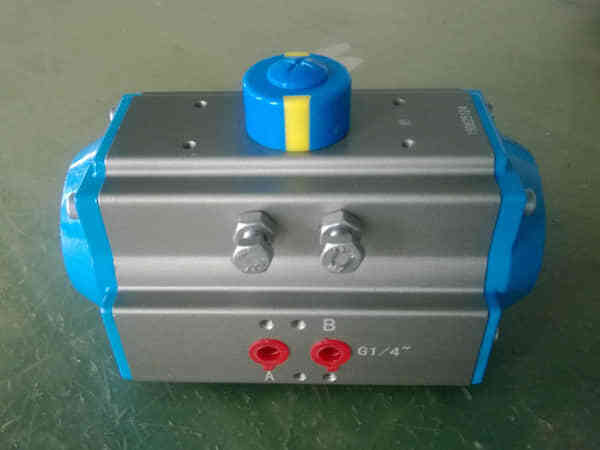
What is an Explosion-Proof Pneumatic Actuator?

An explosion-proof pneumatic actuator is a device that uses compressed air to control the movement of machinery in environments where the presence of flammable substances poses a risk of explosion. These actuators are designed with special casing, seals, and internal components that prevent any sparks or heat from escaping, thus eliminating the risk of igniting the surrounding hazardous gases or dust particles. The term “explosion-proof” refers to the actuator’s ability to contain an explosion within the device, preventing it from spreading to the surrounding area. Typically, explosion-proof pneumatic actuators are used to control valves, dampers, and other mechanical systems that require linear or rotary motion. They are often integrated into process control systems that manage the flow of chemicals, gases, and other substances in industries where explosive atmospheres are common.
Leave a Reply