In the intricate world of Heating, Ventilation, and Air Conditioning (HVAC) systems, the damper actuator stands as a crucial component, orchestrating the delicate dance of airflow. Its role is not merely functional but essential in maintaining indoor environmental comfort. This article delves into the workings and significance of the damper actuator in modern HVAC systems.
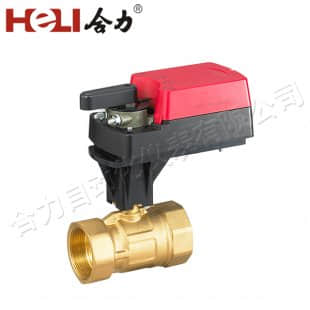
At its core, a damper actuator is a mechanism designed to control the position of dampers, which are valves that regulate the flow of air within ductwork. These actuators are typically motorized, receiving signals from a control system to adjust the damper position accordingly. The precision with which they operate is paramount in ensuring efficient and effective airflow throughout a building.
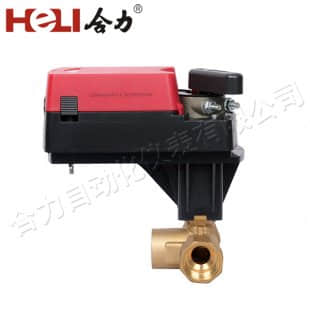
The operation of a damper actuator is both mechanical and electronic. Electronically, it interfaces with the HVAC control system, receiving commands that dictate the desired damper position. These commands could be based on factors such as room temperature, humidity levels, or occupancy patterns. Mechanically, the actuator converts these electronic signals into physical movement, using motors or solenoids to adjust the damper. The importance of the damper actuator cannot be overstated. It is the key to maintaining desired indoor climate conditions. Whether it’s redirecting warm air to a colder room or preventing the spread of unconditioned air, the damper actuator ensures that airflow is optimized for comfort and efficiency. This optimization not only enhances occupant comfort but also contributes to energy savings by reducing unnecessary heating or cooling loads.
Leave a Reply