Electric actuator valves are becoming an increasingly vital component in industrial automation systems. These devices provide precise control over the flow of liquids and gases in various applications, ranging from manufacturing to energy production. By integrating electrical actuators with valves, industries can achieve higher efficiency, enhanced accuracy, and reduced operational costs. This article explores the role and importance of electric actuator valves, their working principles, applications, and benefits.
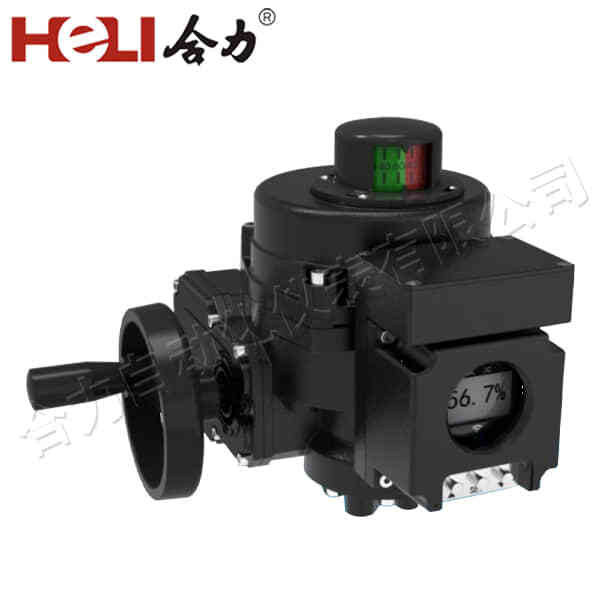
Understanding Electric Actuator Valves
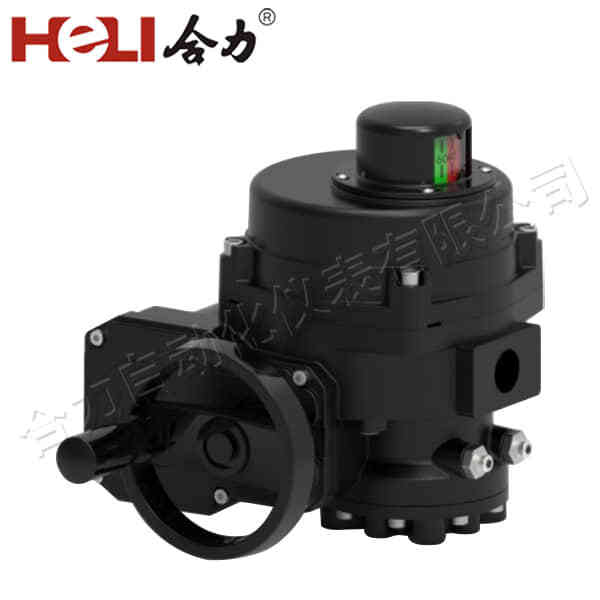
An electric actuator valve consists of a valve mechanism controlled by an electric actuator. The actuator, typically powered by an electric motor, is responsible for moving the valve to a desired position, whether fully open, partially open, or fully closed. This allows the actuator to control the flow, pressure, or temperature of fluids or gases through pipelines. The main components of an electric actuator valve include the valve body, the electric actuator, sensors, and control systems. The actuator translates electrical signals from a controller into mechanical motion, enabling precise valve adjustments. The control system can be automated or manually operated depending on the system’s complexity.
Leave a Reply