Electric actuator valves are pivotal components in the realm of modern automation, significantly improving the efficiency and reliability of fluid control systems across various industries. As technology advances, the demand for precision, speed, and energy efficiency in process control has increased, making electric actuator valves a popular choice in applications ranging from water treatment to manufacturing processes. This article explores the fundamental aspects of electric actuator valves, their working principles, advantages, applications, and future trends.
Understanding Electric Actuator Valves
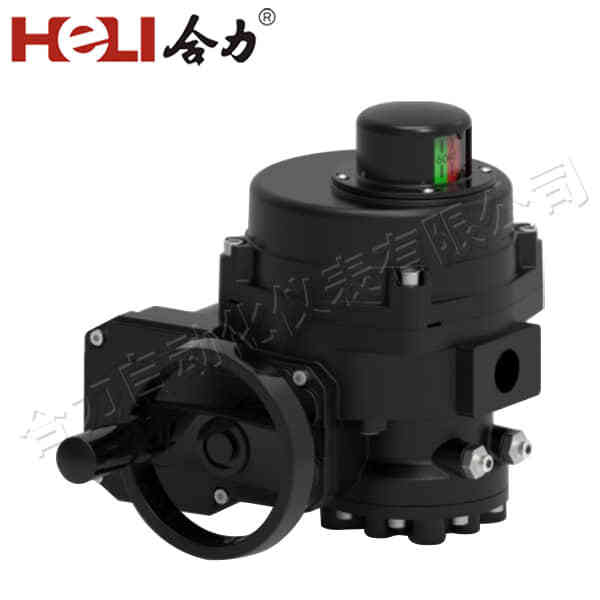
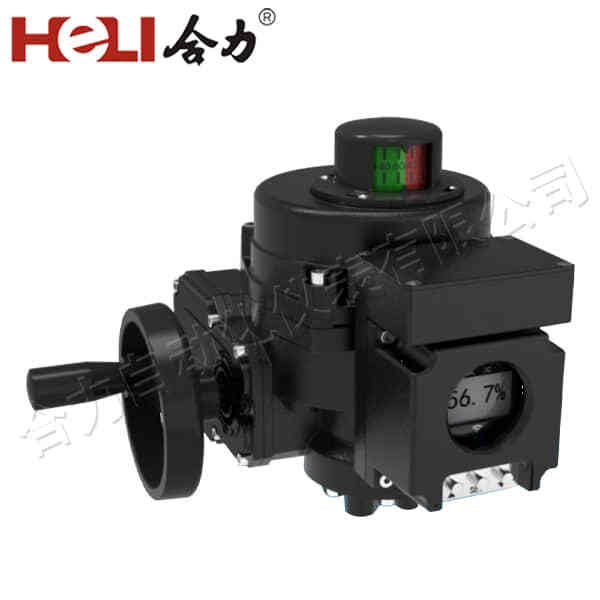
At its core, an electric actuator valve consists of a valve and an electric actuator that operates the valve’s mechanism. The actuator converts electrical energy into mechanical energy, allowing the valve to open, close, or modulate the flow of fluids in a system. Electric actuators often use various technologies, such as stepper motors or servo motors, to ensure precise control. This makes them particularly suitable for applications where exact positioning and adjustments are crucial. Working Principles Electric actuator valves operate through a simple yet effective mechanism. When a control signal is received, the electric actuator initiates movement. Depending on the type of actuator used, this movement can range from simple on/off operations to complex positioning activities that require fine-tuning. The actuator’s control system receives feedback about the valve’s position, enabling it to make adjustments and maintain optimal flow rates or pressure levels in the system.
Leave a Reply