Electric actuator valves are an essential component in modern automation and control systems, providing precise and reliable regulation of fluid flow and pressure in a wide range of industries. These advanced devices combine the power of electric motors with valve mechanisms to automate processes in systems where manual operation is either inefficient or impractical. From water treatment plants to chemical processing facilities, the versatility and precision offered by electric actuator valves have made them indispensable in numerous applications. This article explores the working principle, advantages, and applications of electric actuator valves, shedding light on why they are a critical technology for industrial automation.
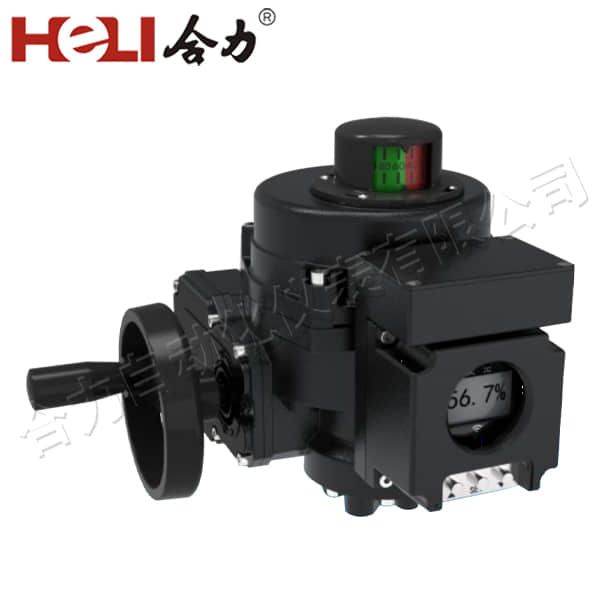
What are Electric Actuator Valves?
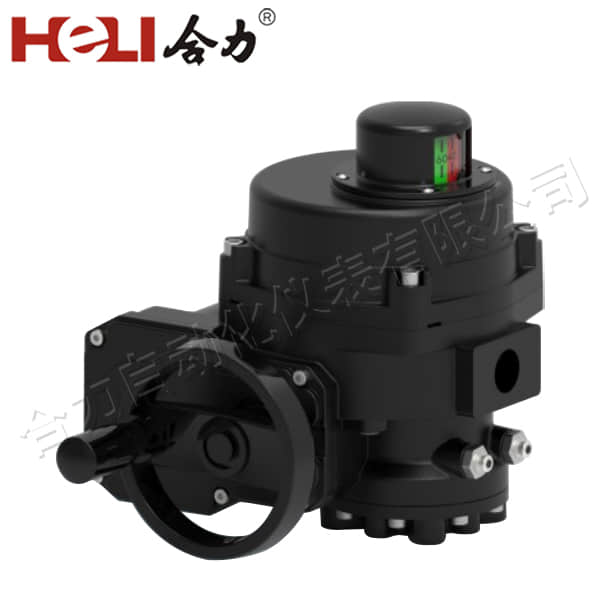
Electric actuator valves are automated valve systems that utilize electric motors to open, close, or regulate the flow of fluids within pipelines and systems. The “actuator” refers to the device that drives the movement of the valve, typically powered by an electric motor. When the actuator receives a signal—either from a controller, a sensor, or a remote operator—it moves the valve to a desired position, ensuring that fluid flow is precisely controlled. The key components of an electric actuator valve system include the electric actuator itself, the valve body, and the control system that governs the actuator’s operation. The actuator is generally attached to the valve through a mechanical linkage and contains motors, gears, and feedback devices (like position sensors) to enable fine-tuned adjustments. Depending on the application, electric actuators can be either on/off type or modulating, where they control the valve’s position within a range of possible settings.
Leave a Reply