A Direct Acting Solenoid Valve (DASV) is a type of valve that uses an electromagnetic solenoid to control the flow of fluid or gas. Unlike pilot-operated valves, which require additional components like pressure or a pilot valve to operate, a direct acting solenoid valve relies entirely on the solenoid to open or close the valve. This makes DASVs particularly simple and reliable for controlling the flow of various fluids in numerous industries, from automation to fluid management systems.
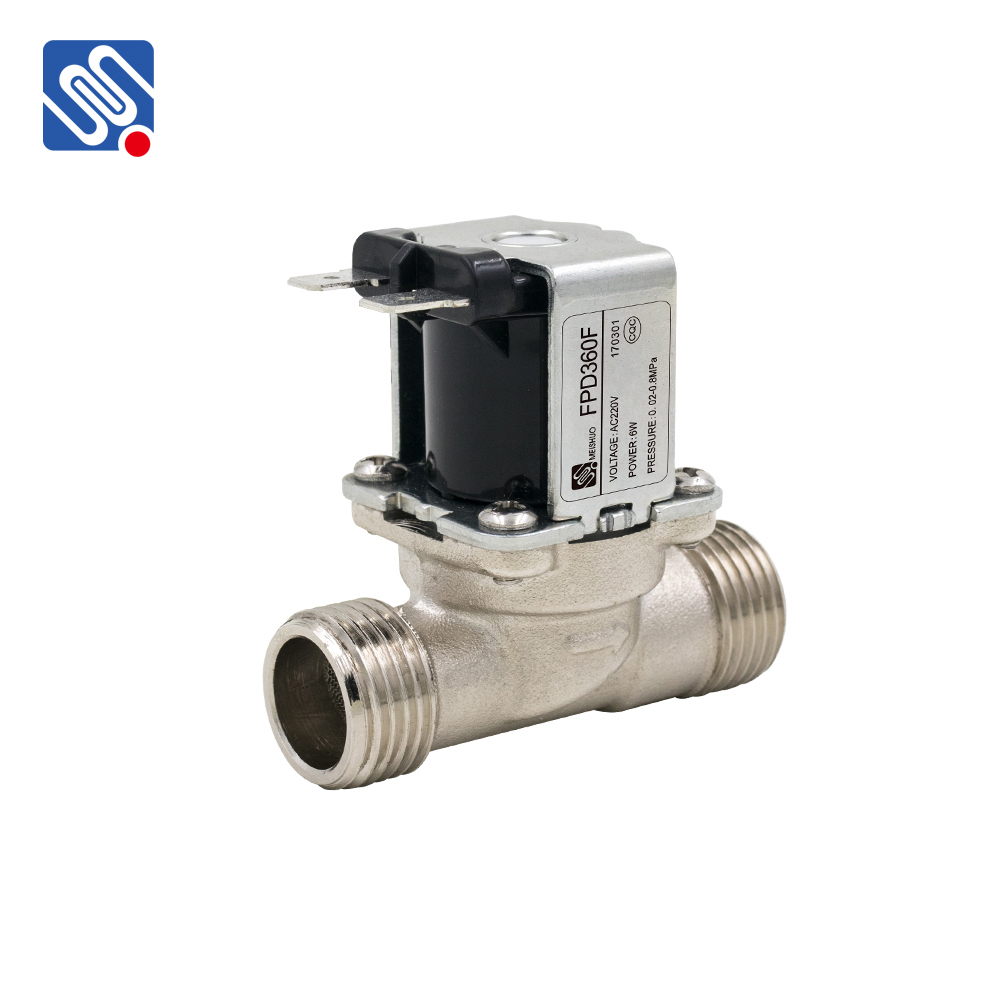
What is a Direct Acting Solenoid Valve? A Direct Acting Solenoid Valve is a type of valve that uses an electric current to control the movement of a plunger within the valve. The solenoid coil, when energized, creates a magnetic field that pulls or pushes the plunger, either opening or closing the valve. This movement directly controls the flow of fluids or gases in a system. Unlike other types of solenoid valves, a direct acting solenoid valve does not need the additional assistance of system pressure to operate, making it ideal for smaller applications or systems with low pressures.
The construction of a DASV typically consists of a solenoid coil, a valve body, a plunger, and an armature. When the solenoid coil is energized, it creates a magnetic field that moves the plunger. The plunger’s movement either opens or closes an orifice within the valve body, allowing or stopping the flow of fluid.
Leave a Reply