Electric actuator valves have become an essential component in various industrial applications, facilitating control and automation processes with efficiency and precision. These sophisticated devices combine the functionality of valves and electric actuators to regulate the flow of liquids and gases within systems. In this article, we will explore the working principle, types, advantages, applications, and maintenance of electric actuator valves.
Working Principle
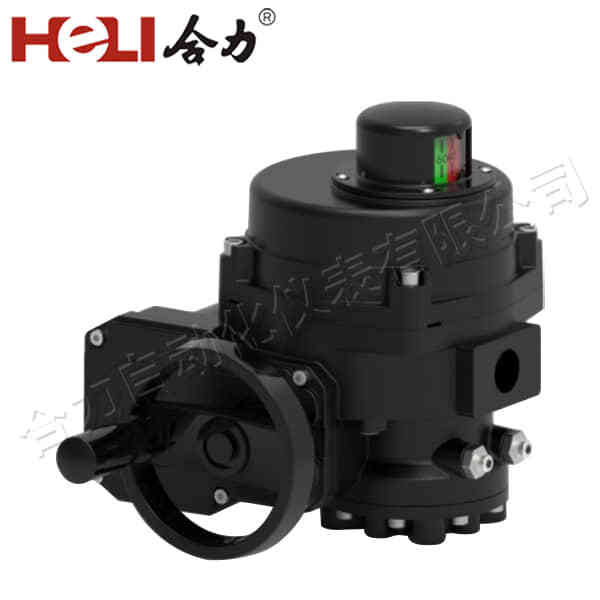
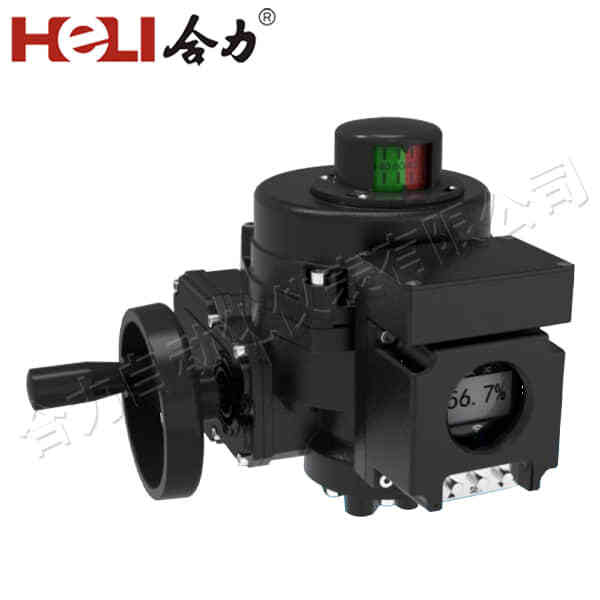
Electric actuator valves operate through the integration of an electric motor and a valve mechanism. The electric actuator is responsible for converting electrical energy into mechanical motion, which in turn adjusts the valve’s position. When a control signal is received from an external system, the actuator initiates the required movement—either opening or closing the valve—allowing or restricting the flow of fluids. The actuator typically consists of several key components, including a motor, gearbox, position sensor, and control circuit. The motor generates rotational motion, which is transmitted to the valve stem via a gearbox. The position sensor provides feedback to the control circuit, ensuring that the valve reaches and maintains its desired position.
Leave a Reply