Electric actuator valves are crucial components in modern automation systems, playing a vital role in controlling the flow of fluids in various industries. These valves, combined with electric actuators, provide precise, reliable, and efficient control of liquid and gas flow, which is essential for many applications in sectors like manufacturing, oil and gas, water treatment, and HVAC systems. In this article, we will explore what electric actuator valves are, their applications, benefits, and the factors to consider when choosing them.
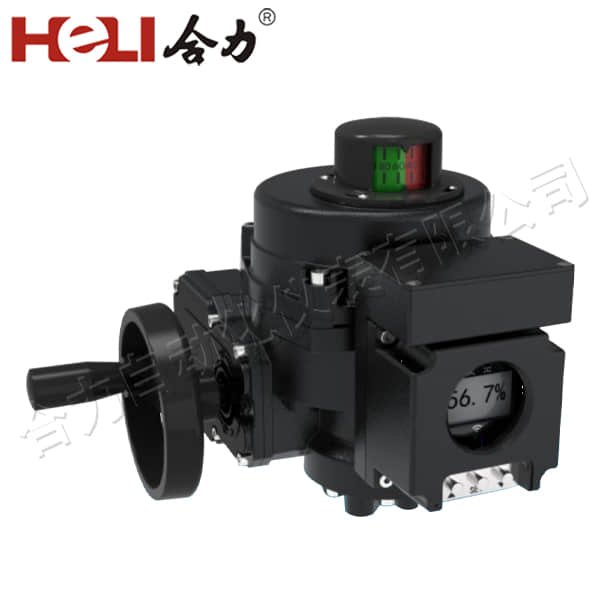
What is an Electric Actuator Valve?
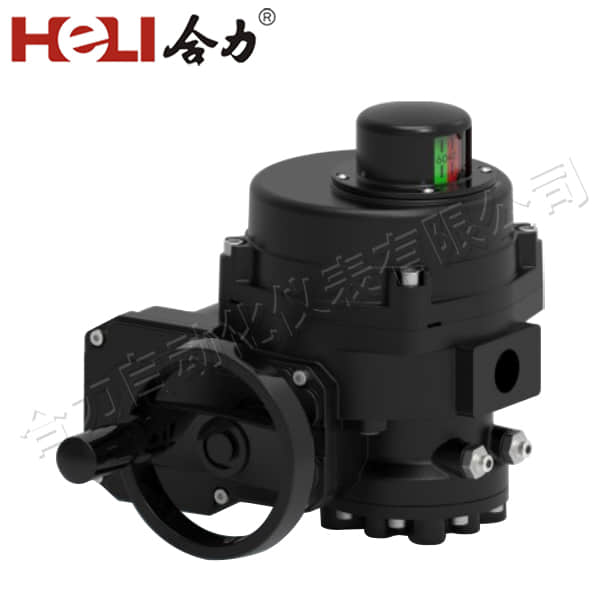
An electric actuator valve is a valve mechanism that uses an electric actuator to open or close the valve, regulating the flow of fluid through a pipeline. The electric actuator is typically powered by an electric motor, which converts electrical energy into mechanical motion. This mechanical motion is then used to move the valve’s internal components, such as a ball, gate, or plug, to control fluid flow. Electric actuators provide precise positioning, and unlike manual valves, they can be controlled remotely, offering greater automation and efficiency. Electric actuator valves come in various designs, such as on-off (binary operation) or modulating (continuous adjustment), depending on the control needs of the system. They are widely used for their ability to handle both high and low pressures, and their versatility in handling a wide range of fluids, including water, steam, oil, and gases.
Leave a Reply