Electric actuator valves are integral components in various industrial applications, offering precise control, reliability, and energy efficiency. These valves combine the functionality of a valve and an electric actuator to automate the process of controlling the flow of liquids, gases, or other materials. As industries continue to embrace automation and smart technologies, the role of electric actuator valves has become more critical than ever in optimizing processes and reducing manual labor.
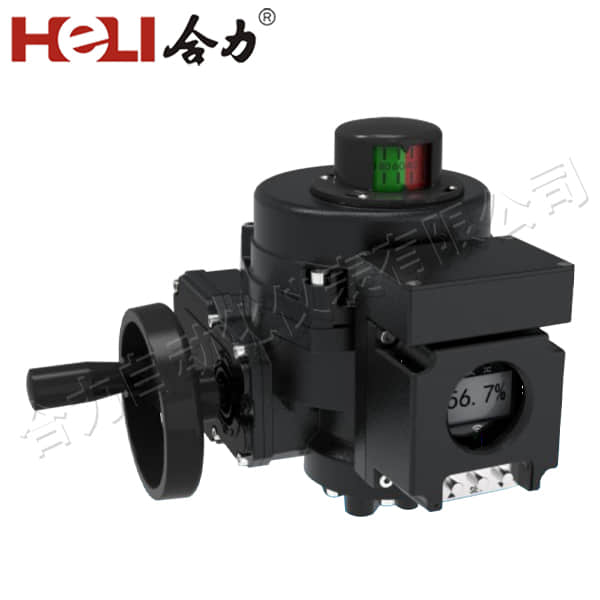
What Are Electric Actuator Valves?
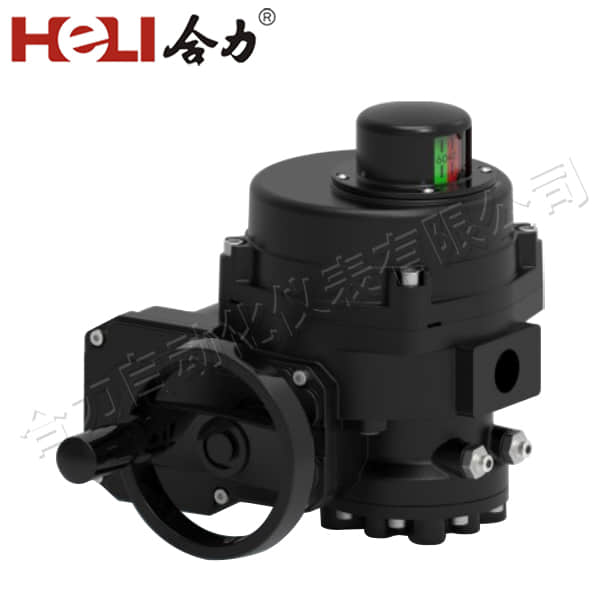
Electric actuator valves are devices that use an electric motor to operate a valve, typically controlling the flow of a medium within a pipeline or system. The actuator, powered by electricity, moves the valve to the desired position—whether fully open, fully closed, or somewhere in between—based on an electrical signal received from a control system. These valves are commonly used in applications requiring precise regulation of flow rates, pressures, and temperatures. The core components of an electric actuator valve include: Valve body: This is the part that controls the flow of fluids (e.g., water, steam, oil) through a pipeline. The valve type can vary, including ball valves, globe valves, or butterfly valves.
Leave a Reply