In modern electrical systems, the need for robust protection and efficient filtration is crucial. One of the unsung heroes in this domain is the electrical cabinet filter. Frequently overlooked, electrical cabinet filters play a vital role in safeguarding sensitive electronic equipment from harmful contaminants and ensuring optimal performance. This article delves into the importance, functionality, and selection criteria for electrical cabinet filters, underscoring their significance in various industrial applications.
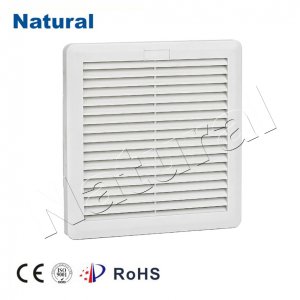
What is an Electrical Cabinet Filter?
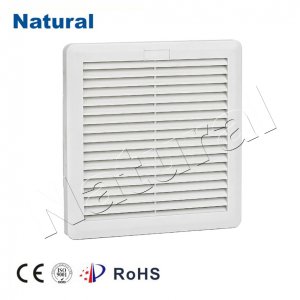
An electrical cabinet filter is a device designed to remove unwanted particulate matter and contaminants from the air entering an electrical cabinet or enclosure. These filters typically consist of a filter medium housed in a frame, often installed at the intake points of ventilation systems within the electrical cabinets. They can effectively capture dust, dirt, and moisture, which could otherwise jeopardize the functionality of electrical components housed inside. Importance of Electrical Cabinet Filters Protection from Contaminants: Electrical cabinets often house sensitive electronic components such as circuit boards, relays, and control systems. Exposure to dust, dirt, or moisture can lead to electrical shorts, corrosion, and ultimately, system failures. Electrical cabinet filters act as a barrier, ensuring that only clean air circulates within the enclosure.
Leave a Reply