Non-toxic solenoid valves are becoming increasingly essential in various industries where fluid control is necessary, yet safety and health are a primary concern. These valves are designed to prevent harmful substances from contaminating the fluid flow, making them ideal for medical, food and beverage, pharmaceutical, and other sensitive sectors. This article will explore the importance, applications, and benefits of non-toxic solenoid valves.
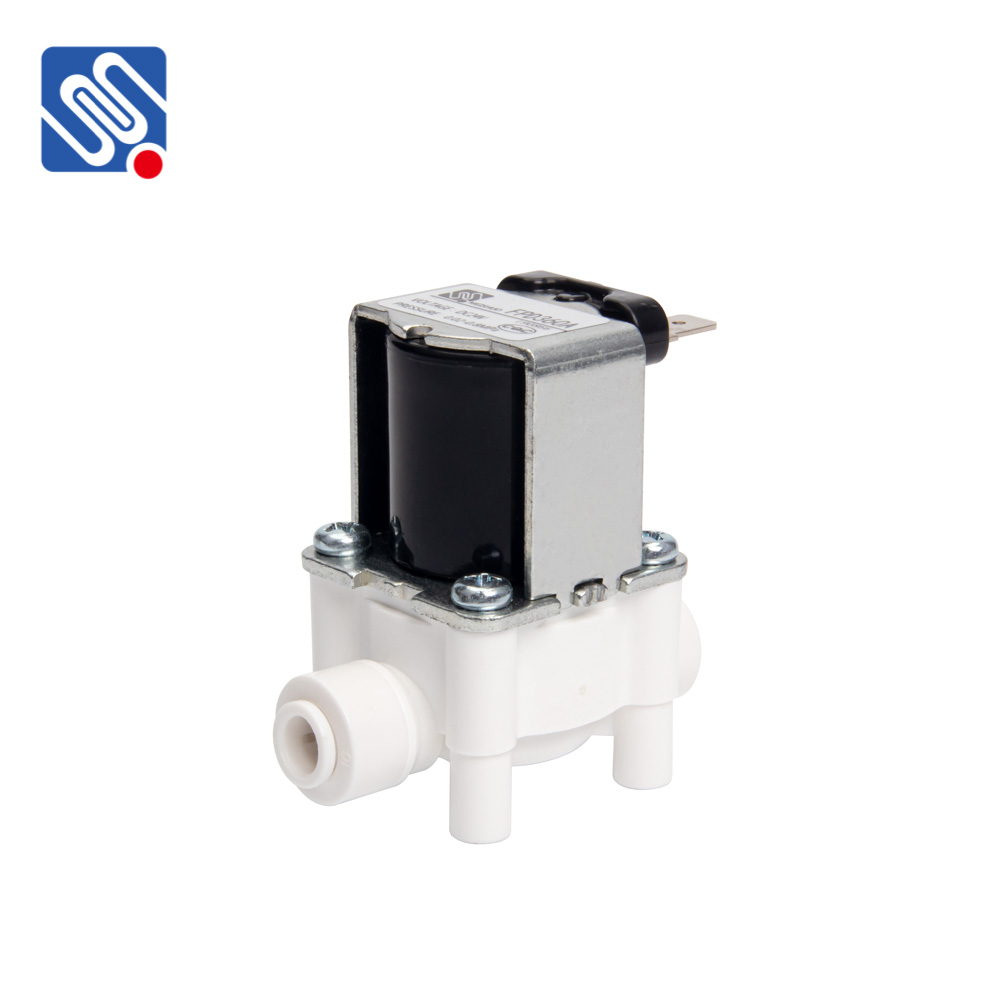
What is a Non-toxic Solenoid Valve? A solenoid valve is an electromechanical device that controls the flow of fluids or gases in a system by opening or closing a valve. The key feature of a non-toxic solenoid valve is that it is manufactured using materials that do not release harmful chemicals or toxins into the fluid it controls. This is particularly important in systems where the fluid or gas is intended for human consumption, medical use, or any process that requires high standards of purity and safety. Non-toxic solenoid valves function just like traditional solenoid valves, using an electrical current to energize a solenoid coil, which then moves a plunger or armature to open or close the valve. However, the difference lies in the materials used in their construction. These valves are made from non-toxic, food-grade materials like stainless steel, plastics that meet food safety standards, and rubber seals that are free from harmful chemicals like BPA, phthalates, or lead.
Leave a Reply