An adjustable mechanical thermostat is a vital component in many heating, ventilation, and air conditioning (HVAC) systems, offering a simple yet effective way to manage the temperature within a space. Unlike digital thermostats or smart thermostats that often come with complex settings, adjustable mechanical thermostats provide a straightforward solution to temperature regulation. In this article, we will explore how adjustable mechanical thermostats work, their advantages, common uses, and considerations for choosing the right one for your needs.
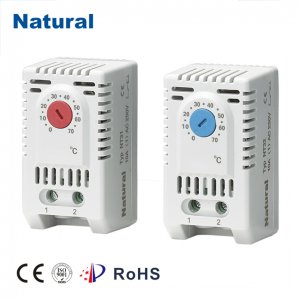
How Adjustable Mechanical Thermostats Work
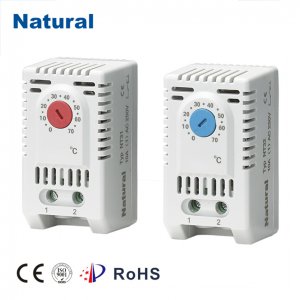
At the core of an adjustable mechanical thermostat lies a bimetallic strip or a similar temperature-sensing element. This strip is designed to expand or contract as the temperature changes. When the temperature rises or falls, the bimetallic strip bends, triggering the thermostat’s switch to either turn on or off the heating or cooling system. The key feature of adjustable mechanical thermostats is their ability to allow the user to manually set the desired temperature, which will then be maintained through this mechanical action. Typically, an adjustable mechanical thermostat features a dial or knob that can be rotated to select the desired temperature. As the temperature fluctuates, the thermostat adjusts the HVAC system accordingly. It is a purely mechanical process without the need for electricity or batteries, although some models may still require a small amount of power to operate certain components.
Leave a Reply