The electromagnetic relay is a fundamental component in electrical engineering, allowing for the control of circuits through electromagnetic principles. This electromechanical device serves as a switch that responds to an electric current, enabling or disabling a larger load circuit. In this article, we will explore the working principles of electromagnetic relays, their types, applications, advantages, and disadvantages.
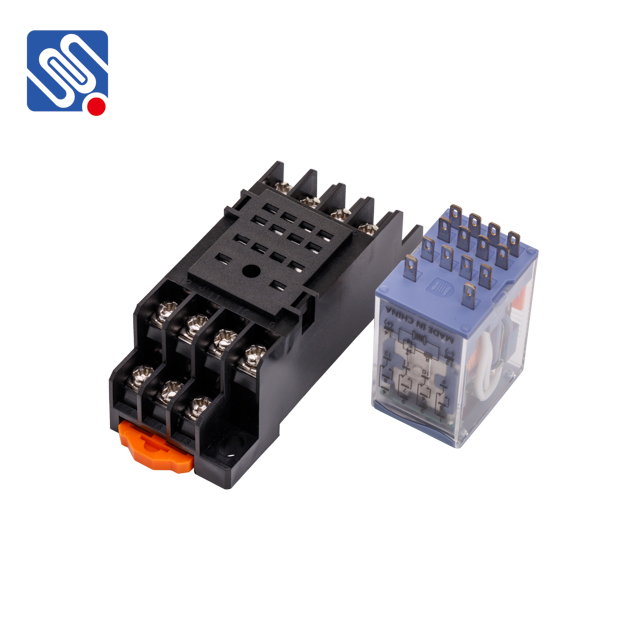
Working Principle At the heart of the electromagnetic relay is an electromagnetic coil, which, when energized with electric current, generates a magnetic field. This magnetic field attracts a movable metal armature or lever, commonly referred to as the armature or the “relay lever.” The armature is connected to one or more electrical contacts, which either open or close the circuit, thus controlling the flow of electricity. In a typical scenario, when the control current passes through the coil, the magnetic field attracts the armature, closing the contacts and allowing current to flow through the load circuit. Once the control current is removed, the magnetic field dissipates, and a spring mechanism returns the armature to its initial position, opening the contacts and cutting off the load circuit. This simple mechanism of action is what makes electromagnetic relays reliable for controlling electrical devices.