A High Flow Solenoid Valve is an important component used in various industries to control the flow of fluids or gases. These valves are designed to handle higher flow rates compared to standard solenoid valves, making them ideal for applications where high volumes of fluids or gases need to be controlled efficiently. This article will provide an in-depth look at the functionality, components, and applications of high flow solenoid valves, as well as their importance in modern industrial systems.
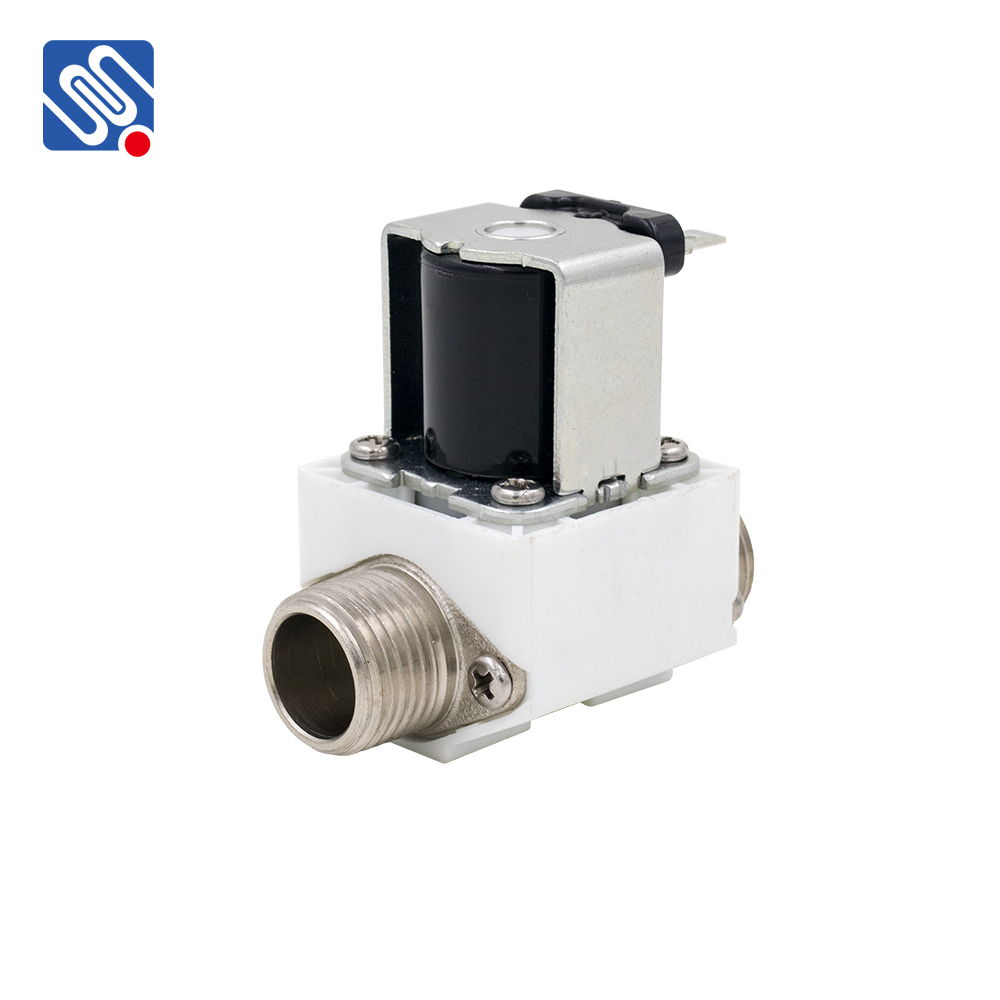
What is a High Flow Solenoid Valve? A solenoid valve is an electromechanically operated valve that controls the flow of liquids or gases through a pipe. The high flow version of this valve is specifically engineered to manage larger volumes of flow compared to conventional solenoid valves. This is achieved by using larger valve bodies, specialized solenoid coils, and enhanced designs that minimize flow resistance. The basic operation of a high flow solenoid valve relies on an electric current passing through a solenoid coil, generating a magnetic field that moves a plunger or armature to open or close the valve. This mechanism enables precise control over the flow of the media being regulated, ensuring that systems can function without the need for manual intervention.
Leave a Reply