A Normally Closed Solenoid Valve (NCV) is a type of valve that is typically used in various industrial and commercial applications where controlling the flow of liquids, gases, or steam is crucial. This valve plays an important role in automation systems, offering precise control over the operation of fluid systems. The “normally closed” designation refers to the valve’s default state when not energized, meaning that the valve remains closed and does not allow flow unless a current is applied to its solenoid coil. This article will delve into the working principle, common uses, and benefits of normally closed solenoid valves.
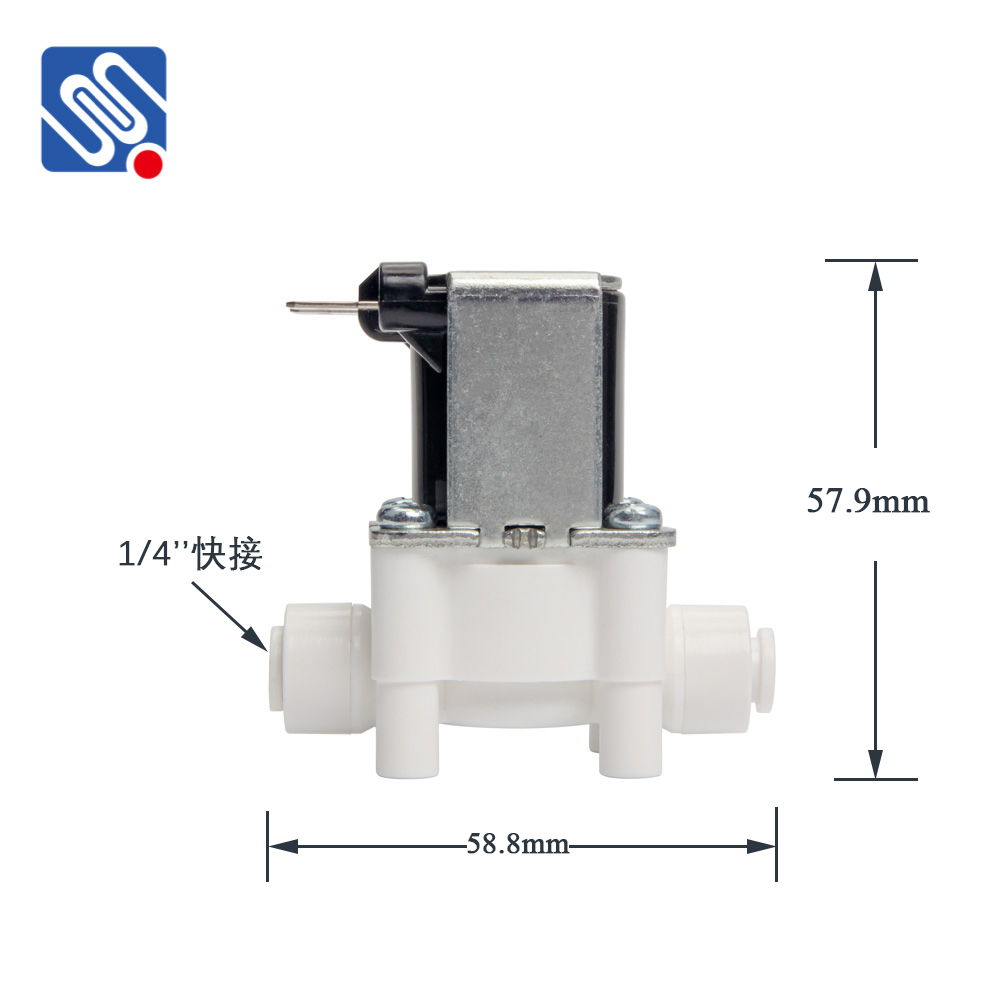
Working Principle of a Normally Closed Solenoid Valve The mechanism of a normally closed solenoid valve is based on electromagnetism. It consists of a coil, a plunger, a valve body, and a spring. In its unpowered state, the spring keeps the valve in a closed position, preventing fluid flow. When an electric current is applied to the solenoid coil, a magnetic field is created, which pulls the plunger away from the valve seat, allowing fluid to pass through the valve. Once the electric current is switched off, the solenoid coil loses its magnetic field, and the spring pushes the plunger back into place, closing the valve. This quick, reliable action allows for precise control over fluid flow, making it an ideal solution for various automated systems where fast responses are needed.
Leave a Reply