The PVC solenoid valve is an essential component in various industrial and residential applications that require the control of fluid flow. Made of polyvinyl chloride (PVC), these valves offer a combination of durability and cost-effectiveness while ensuring efficient operation. This article will explore the characteristics, applications, benefits, and working principles of PVC solenoid valves.
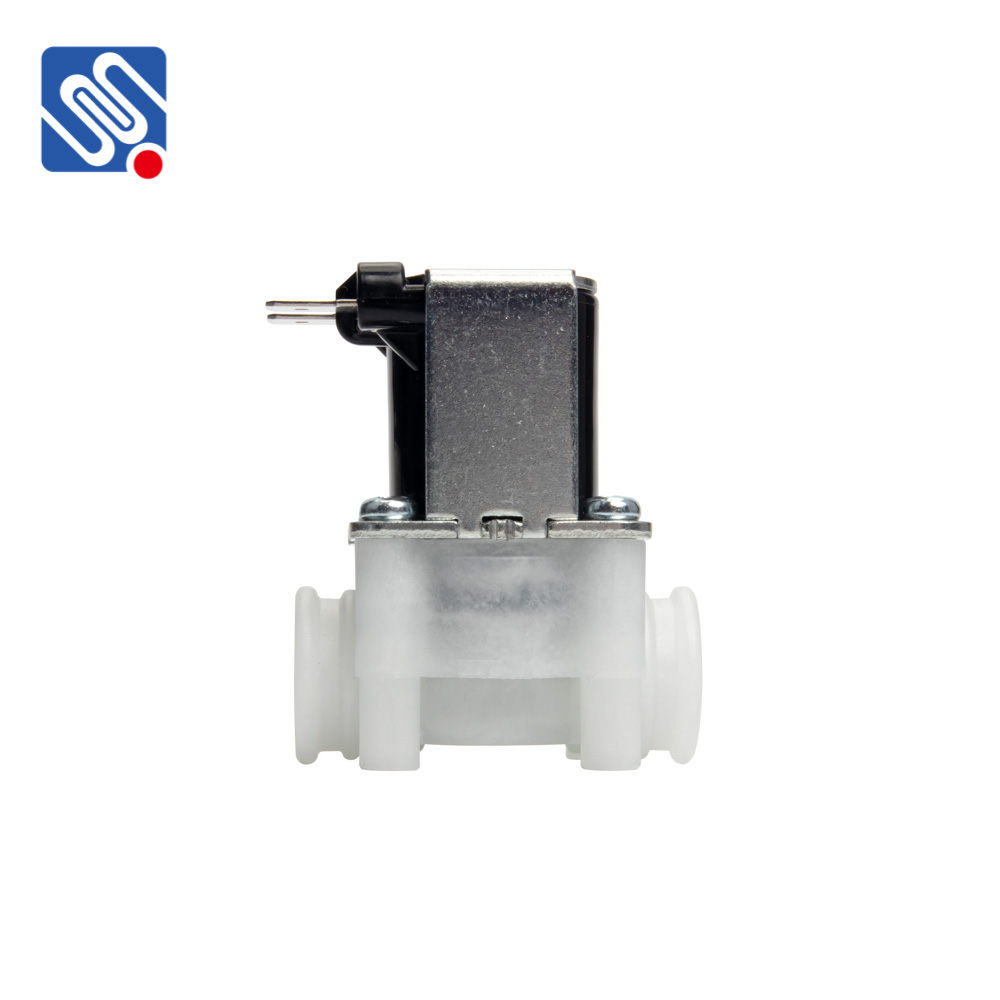
What is a PVC Solenoid Valve? A solenoid valve is an electromechanical device that utilizes an electromagnetic coil (the solenoid) to control the opening and closing of a valve seat, thereby regulating the flow of liquids or gases. The PVC solenoid valve specifically incorporates PVC material, making it an ideal choice for corrosive environments and applications involving aggressive fluids. The PVC solenoid valve functions as a switch, opening or closing the valve based on electrical signals. When an electric current is passed through the solenoid coil, it generates a magnetic field that moves a plunger, thus opening the valve and allowing fluid to flow. Conversely, when the current is turned off, the valve closes.