The WCB Electric V-Ball Valve is a high-performance, versatile valve that combines the precision of an electric actuator with the efficient flow control capabilities of a V-shaped ball design. These valves are widely used in various industries where precise fluid regulation is crucial. With applications in oil and gas, water treatment, HVAC, and chemical processing, the WCB Electric V-Ball Valve ensures effective flow control, minimizing energy consumption and enhancing overall system performance. This article delves into the features, benefits, and uses of the WCB Electric V-Ball Valve, highlighting its growing importance in industrial applications.
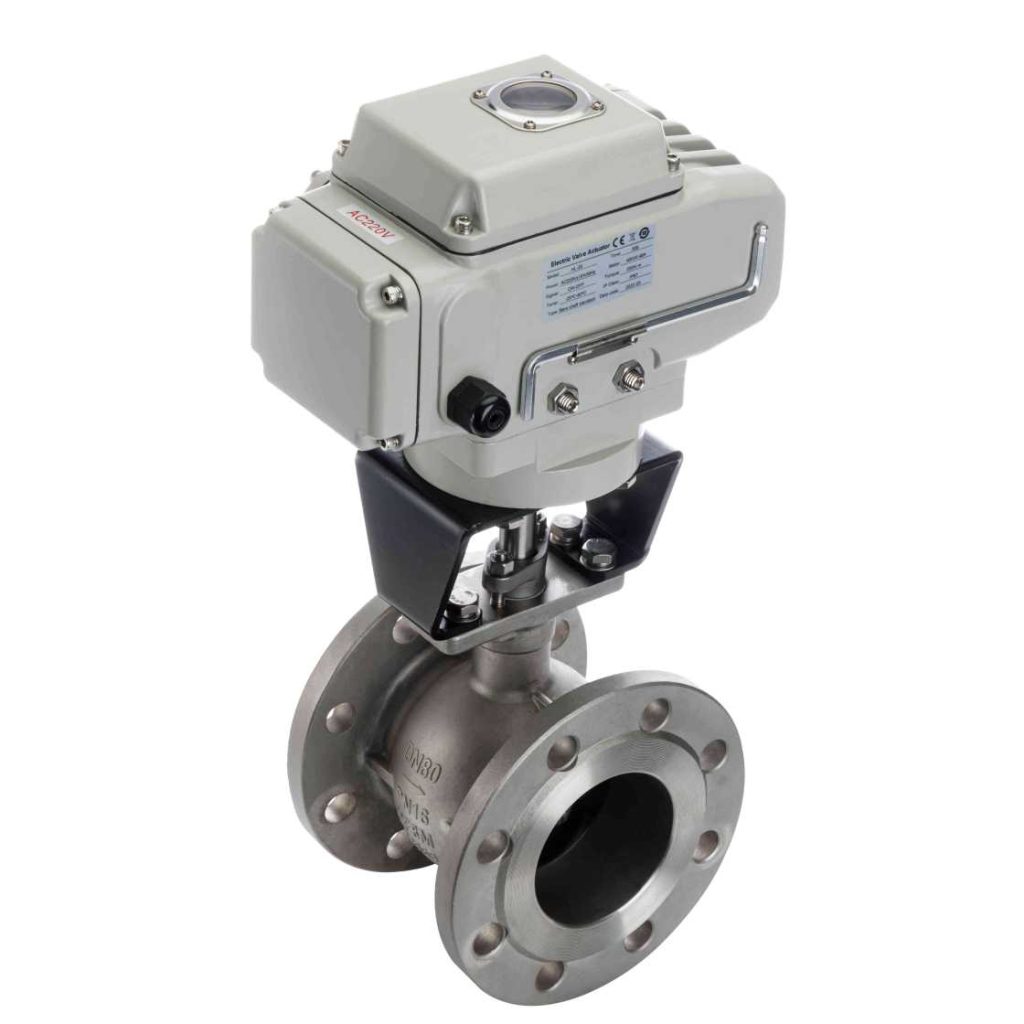
What is a WCB Electric V-Ball Valve?
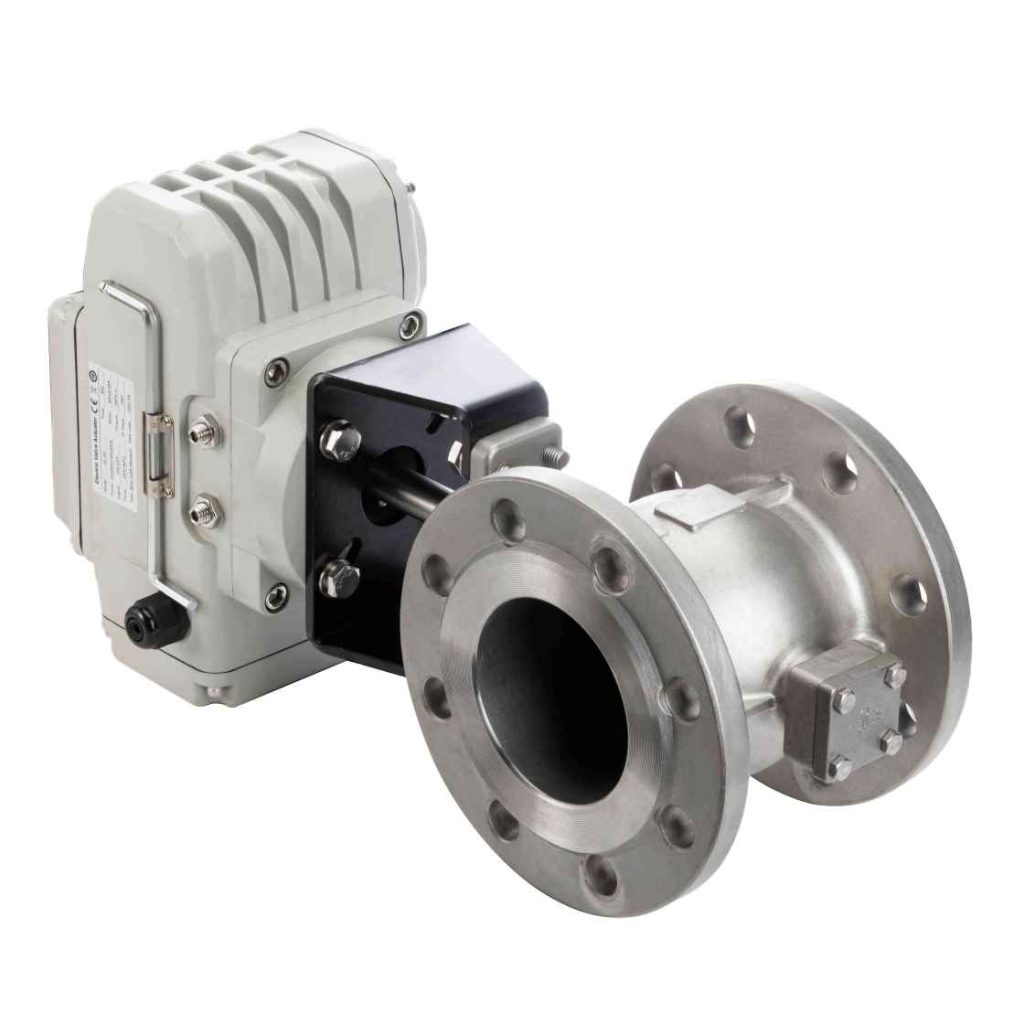
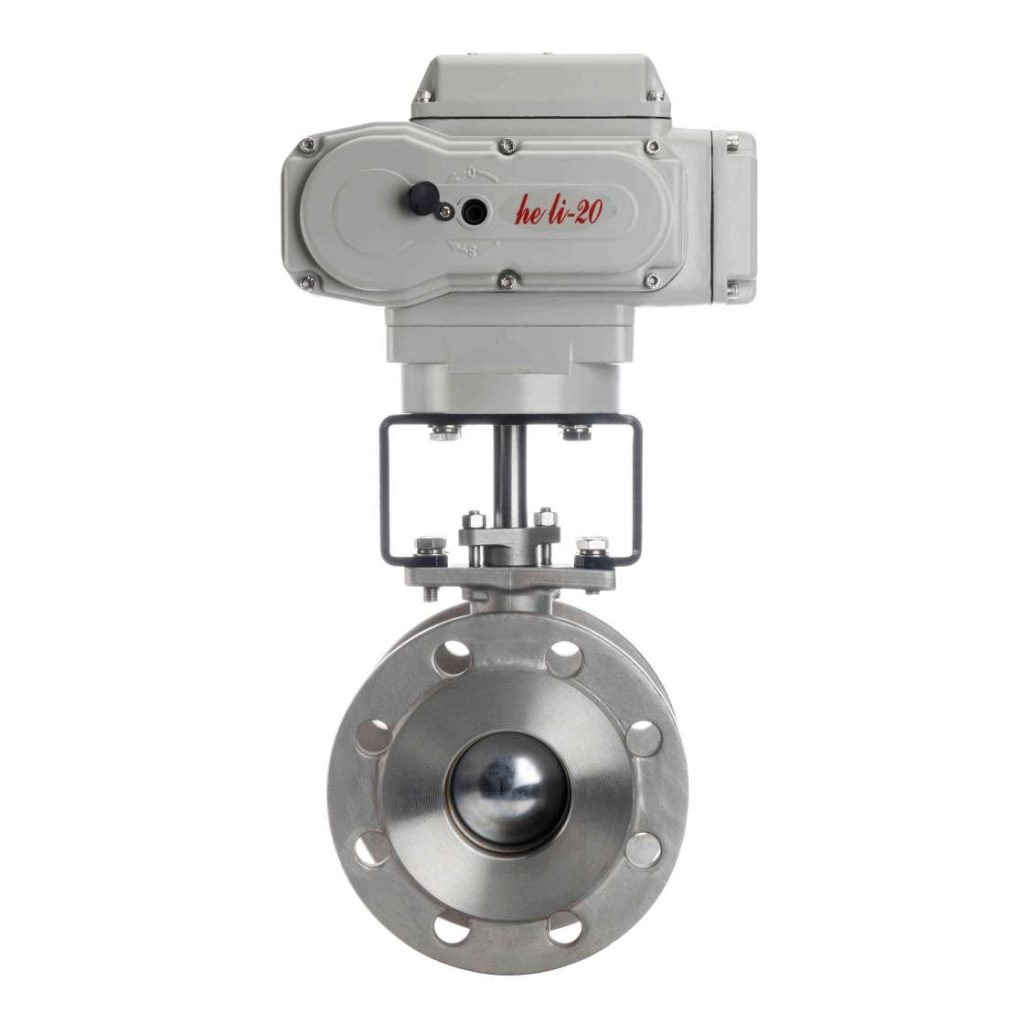
A WCB Electric V-Ball Valve is a specialized type of control valve that integrates a V-shaped ball with an electric actuator. The ball, with its unique V-notch, allows for superior throttling and precise control of the flow rate in a system. When coupled with an electric actuator, the valve can be operated remotely, providing automation and enhancing operational efficiency. The actuator is powered by electricity and can be controlled through various types of control signals, such as a 4-20mA signal, enabling easy integration with modern control systems. The “WCB” designation refers to the material used in the valve’s construction – WCB, a carbon steel commonly used for valves due to its strength, durability, and resistance to wear. The combination of this robust material with the sophisticated V-ball design and electric actuator results in a highly effective valve for demanding industrial applications.
Leave a Reply